Tulsa gives first-time buyers something rare in 2026: a big city where a starter house is still a realistic goal. The catch is that the districts where those houses cluster differ sharply in commute, schools and street life, so the right choice depends on what you weigh most.
This guide walks through the parts of town where smaller, older homes tend to sell, what each district offers, and the tradeoffs to check before you commit. Prices move week to week, so treat any dollar figure you see in a listing as a starting point, not a promise. What does not change is the character of a neighborhood, and that is what this article maps.
Tulsa is a city of about 413,000 people spread across nearly 200 square miles, according to Wikipedia's Tulsa overview, so distance matters here. A house ten miles from downtown can mean a very different daily routine than one three miles out. Keep that in mind as you read, because most of the tradeoffs below come down to location versus space.
What makes a neighborhood good for a first-time buyer?
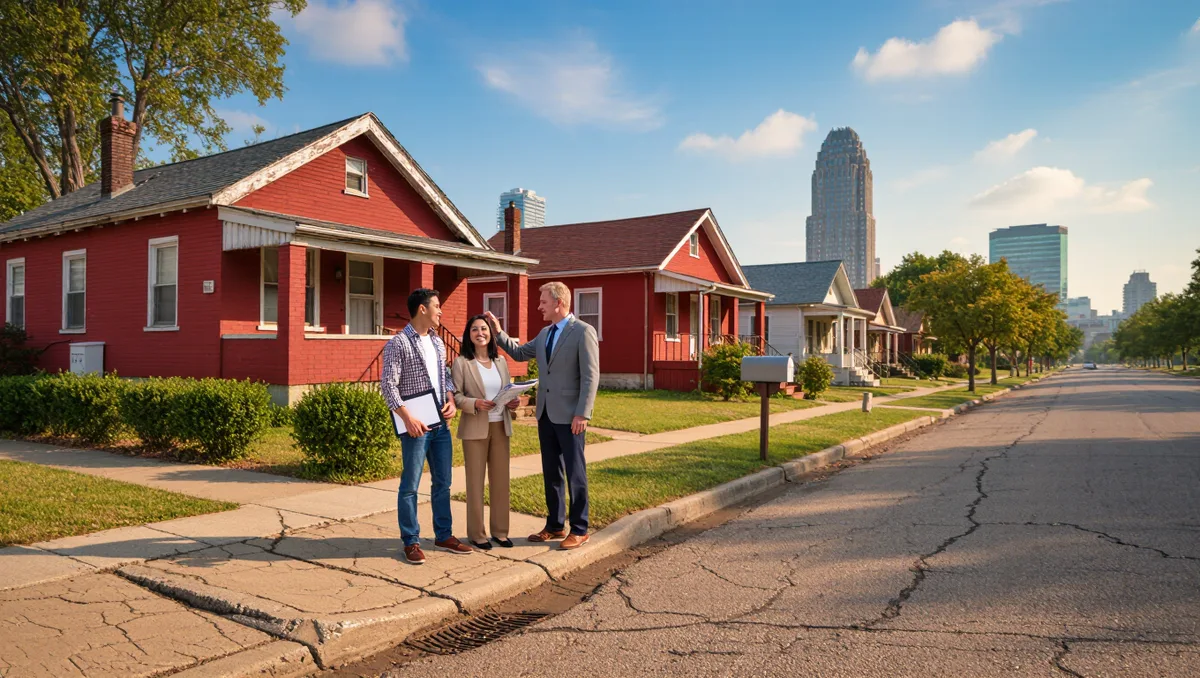
A good starter neighborhood is one where the cheapest house on the street is still a sound house. In practice that means older, modest homes on established blocks, close to grocery stores, bus lines and parks. It also means neighbors who stay, because turnover raises the hidden costs of buying: repairs, insurance gaps and re-establishing a support network.
Look for three signals when you visit. First, occupied houses with kept-up yards, which suggest owners who plan to stay. Second, an active neighborhood association, which gives you a way to raise problems beyond a complaint hotline. Our guide to how Tulsa neighborhood associations work explains how to find and join yours. Third, walk the block at two different times of day before you offer. A street reads differently at 7 p.m. than at 2 p.m. Readers following this should also see Beyond Books: What Your Tulsa City-County Library Card Actually Covers.
Which districts should you look at first?
Most first-time buyers in Tulsa end up weighing a handful of areas. Each trades commute, space and amenities differently.
| District | What draws buyers | Main tradeoff |
|---|---|---|
| Kendall-Whittier | Walkable blocks, a monthly street event on Admiral Boulevard, older bungalows | Older housing stock means older roofs and wiring |
| Route 66 corridor along 11th Street | History, character, proximity to downtown | Heavy traffic on the main drag; check the side streets |
| East Tulsa | More house for the money, established immigrant communities, strong food scene | Longer drive to downtown jobs and west-side amenities |
| North Tulsa | Deep historic roots and ongoing public and private reinvestment | Fewer retail options; verify services block by block |
| Midtown | Central location, mature trees, stable blocks | Smaller yards and strong demand can move fast |
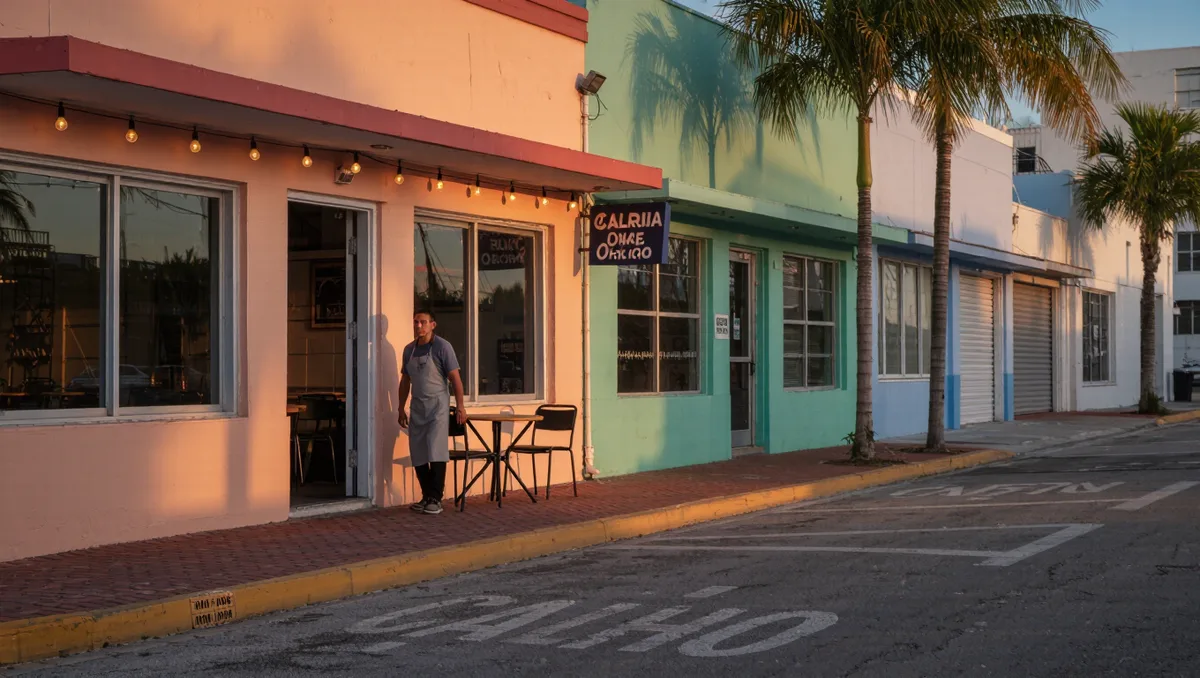
Kendall-Whittier sits just east of downtown and has become one of the city's most walkable districts. Visit Tulsa's events calendar lists Third Thursdays on Admiral Boulevard, a streetwide monthly gathering, as a recurring fixture, which tells you something a listing photo cannot: people show up for their neighborhood.
East Tulsa rewards buyers who want space and community over proximity. Refugee resettlement over decades built dense, connected communities there, a story we covered in how refugee resettlement built communities across East Tulsa. If a strong sense of belonging matters more to you than a short commute, look east first.
How do commutes change the math?
Tulsa is a driving city, so most buyers should price their commute in minutes, not miles. The Arkansas River splits the city, and crossings funnel traffic at rush hour. A house in East Tulsa may sit only eight miles from downtown but take far longer at 8 a.m. than a midtown house the same straight-line distance away.
Two practical checks. Test the drive at the actual hour you would leave, not on a Sunday afternoon. And if you rely on Transit, map the bus route before you offer, because coverage thins quickly outside the central corridors. Remote and hybrid workers have more freedom here, and many use it to trade commute time for square footage in East Tulsa or the outer midtown blocks.
What this means for your budget
We cannot print a price band that stays true, because listing prices move and this guide is evergreen. What holds is the relative pattern: east and north Tulsa generally list lower than midtown and the closer-in east side, and older homes in walkable districts price below new construction in the suburbs. The gap is what you trade against commute and upkeep.
Budget beyond the mortgage. Older starter homes often need a roof, HVAC or plumbing work in the first five years, and inspection findings should feed your offer, not surprise you after it. Get quotes from contractors before closing if the inspection flags anything major. That one habit separates buyers who land well from buyers who stretch too thin.
Practical steps before you make an offer
- Pick two districts from the table above and drive both on a weekday morning and evening.
- Walk the specific block, not just the neighborhood, at least once after dark.
- Check the neighborhood association scene; our community coverage regularly profiles active groups.
- Order the inspection early and price any flagged repairs into your offer.
- Compare school and library options if you have or plan to have children; your Tulsa City-County library card covers far more than books, and branches anchor several of these districts.
One more step buyers skip: visit the nearest grocery store and park. You will use both weekly. If the grocery is a fifteen-minute drive and the park is fenced and empty, you have learned more than any open house will teach you.
Where Tulsa's starter-home market goes from here
The evidence in this guide is qualitative, and that is deliberate. What the sources establish is the city's size, its districts' characters and the civic life that distinguishes one block from another. What remains unknown is the price you will actually pay next month, which only current listings and a local lender can tell you.
What the pattern does suggest is this: Tulsa's older, close-in neighborhoods reward buyers who value walkability and neighborhood institutions, while the eastern and northern districts reward those who want more house and can accept a longer drive. Either way, the best first purchase in this city is the one you researched on foot.