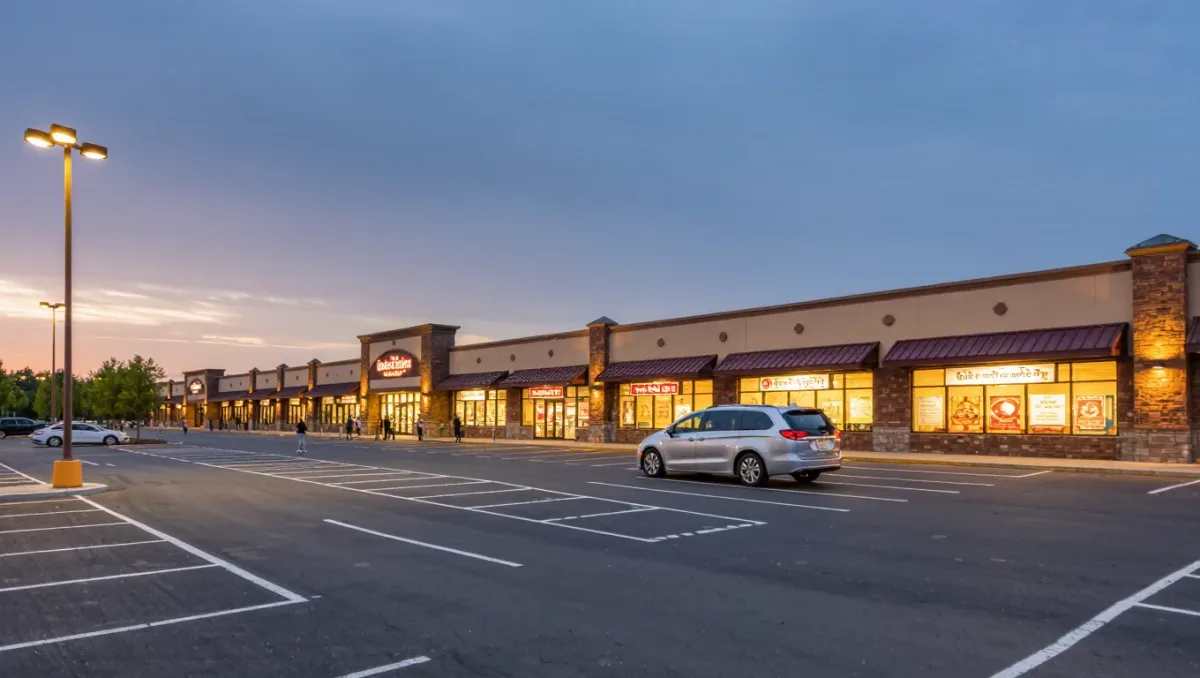
Tulsa is home to one of the largest Burmese communities in the United States, anchored by Zomi and Karen families who began arriving in the 1990s and 2000s after years in refugee camps along the Thailand-Myanmar border. They came through a federal system that hands a family a few months of basic support and expects self-sufficiency within a year — and in east Tulsa, that system has quietly built one of the metro's most distinctive districts: dual-language storefronts, Saturday community schools, and church congregations that fill entire shopping-center units.
Understanding how resettlement actually works — the agencies, the timeline, the money and the limits — explains why Tulsa's newcomer neighborhoods look the way they do, and where the system strains.
Who resettles refugees in Tulsa?
Refugees enter the United States through the federal U.S. Refugee Admissions Program, administered overseas by the State Department and, after arrival, supported by the Office of Refugee Settlement within the Department of Health and Human Services. The federal government contracts with national voluntary agencies; in eastern Oklahoma, that role is carried locally by resettlement offices such as Catholic Charities of Eastern Oklahoma, which handles the arrival-day logistics every case depends on.
Those logistics are concrete: airport pickup, apartment setup with furniture and stocked shelves, Social Security applications, school enrollment, health screenings and enrollment in federally funded cash and medical assistance that lasts a matter of months. After that initial period, support shifts to longer-running contract services — employment help, English classes, immigration paperwork — delivered by resettlement agencies and immigrant-serving organizations such as YWCA Tulsa alongside the agencies themselves.
What does the first year look like?
The statutory design is blunt: refugees are expected to become economically self-sufficient quickly, and most do, because they must. Adults typically move into entry-level work in manufacturing, food processing, logistics and healthcare within the first months, often through employer relationships the agencies maintain. Rent, utilities and transportation come out of those first paychecks long before the assistance calendar expires.
The second year looks different from the first. Once a family has income and housing history, the trajectory bends toward the same milestones that shape any immigrant community: homeownership, a second vehicle, a family business, children moving through Tulsa Public Schools. Zomi and Karen families in east Tulsa have followed that arc for a generation now, and their children are enrolled at the University of Tulsa, working in nursing and trades, and running the restaurants and markets their parents opened.
Why did Tulsa become a center for Burmese arrivals?
Secondary migration built the community as much as direct resettlement did. Early arrivals wrote home about jobs, cheap housing and existing churches, and families in camps in Thailand redirected their U.S. destinations toward relatives already here. Concentration did the rest: a community large enough to support Burmese-language churches, a community school teaching Zomi and Karen literacy on weekends, ethnic grocery stores and remittance offices becomes self-sustaining, and each new family arrives into a working support network rather than a void.
The same pattern repeats in Tulsa's older immigrant layers — the Vietnamese community that took root in the 1970s and 1980s, and more recent arrivals from Ukraine, Afghanistan and Congo, each with its own institutional footprint. Voluntary agencies place families where housing and jobs exist, but the gravitational pull of established communities shapes where newcomers actually settle within a few years.
What does the system cost, and who pays?
The federal government funds the core: per-capita support for arriving families, refugee cash and medical assistance during the eligibility window, and formula and competitive grants for employment and language services that run for years after arrival. Local costs — classrooms, interpreters, healthcare — land on school districts, hospitals and nonprofits, which is why city and county officials track admission levels closely. Admissions ceilings are set annually by presidential determination, and they have swung sharply in recent years, from historic lows to partial suspensions and selective restarts, leaving agencies to plan staffing around federal announcements rather than local demand.
That volatility has a visible local effect: when admissions slow, agencies shrink staff but keep the services running for families already here; when they resume, the same network absorbs new arrivals with apartment leases, employer interviews and school seats arranged on a timeline measured in weeks.
Schools as the front line
No institution absorbs the intake the way schools do. Tulsa Public Schools campuses in east Tulsa enroll students who arrive mid-semester with little or no English, and the district's newcomer and English-learner programs — sheltered instruction, interpreters for parent conferences, liaison staff who speak Zomi, Karen and Burmese — exist because the enrollment is steady rather than episodic. Principals plan around it, and the Saturday community schools that teach heritage literacy operate in partnership with the same buildings. For families, the school is often the first institution where the system bends toward them: a counselor who can call an interpreter, a nurse familiar with camp medical records, a bus route that runs to the apartment complex.
How can Tulsans help?
The needs are unglamorous and specific. Resettlement agencies consistently list the same items: apartment setups for arriving families, help passing driving tests, tutors for adults in English classes, employers willing to interview newcomers, and donated vehicles, which convert a two-bus commute into a viable work schedule. Volunteering generally starts with an orientation and background check through the agency, and donations of furniture and household goods move through the agencies' warehouse systems rather than drop-off bins.
What to watch next: federal admission levels and the local agencies' quarterly intakes are the numbers to track. But the deeper story in east Tulsa is already past its turning point — the community that began as refugees now runs businesses, employs neighbors and hosts the city's newest arrivals, the same way earlier waves once hosted them.