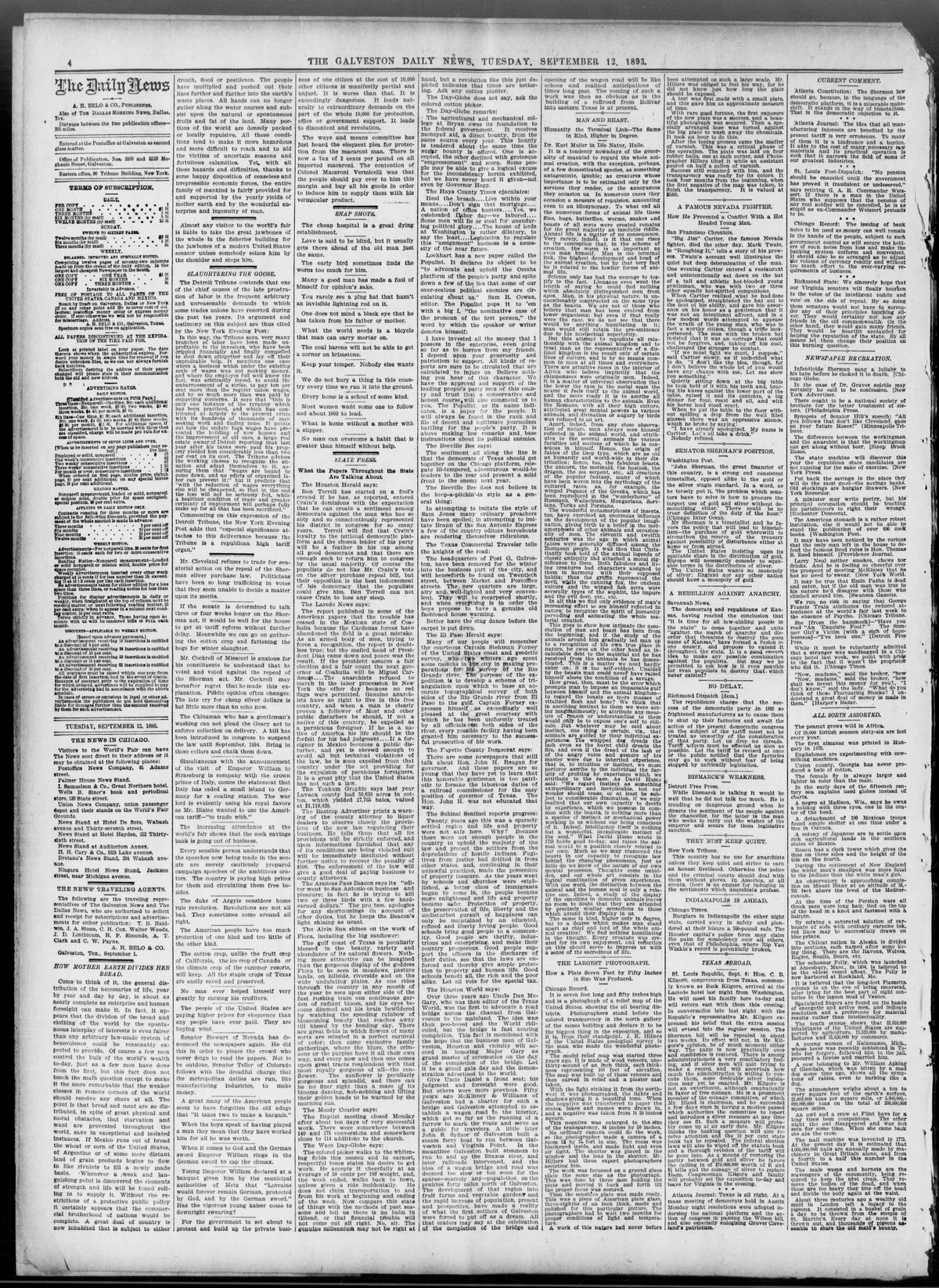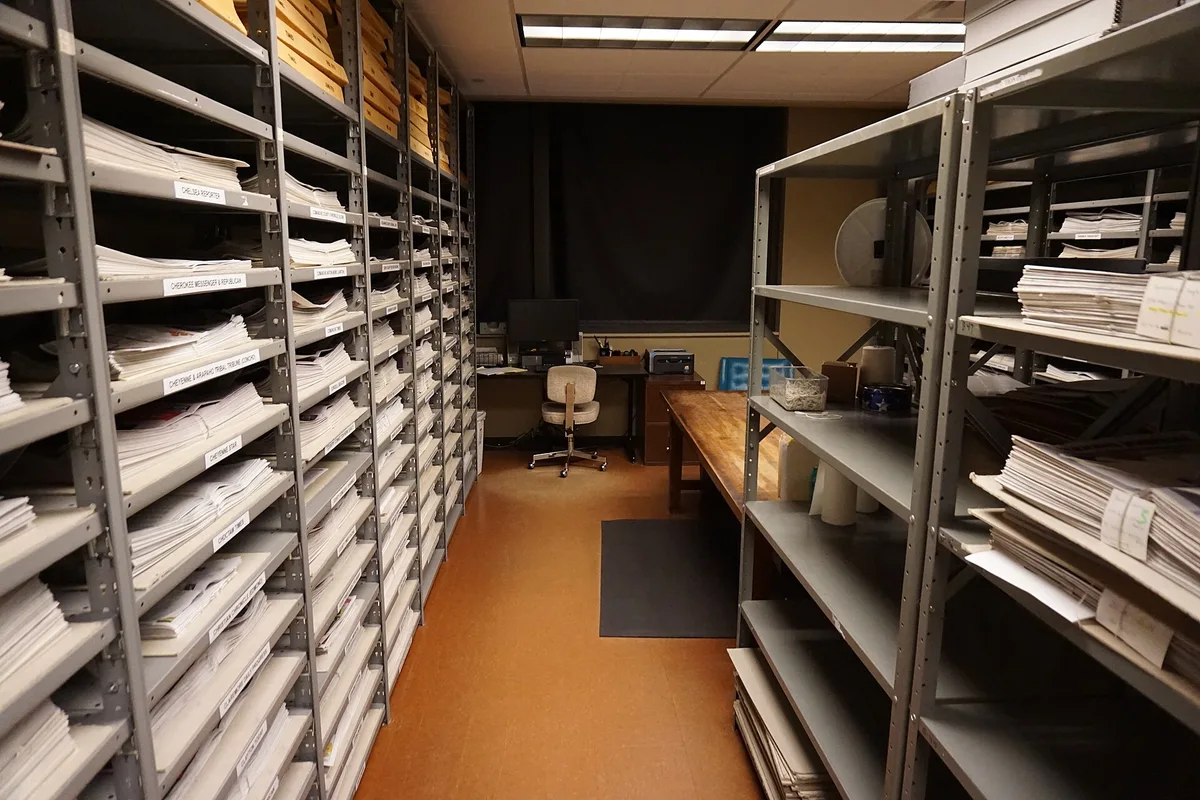
Oklahoma's newspaper landscape runs on three layers. Big metro dailies cover the state and its largest cities. County and community weeklies cover the courthouse, the school board and the Friday night game. Between them sit specialty and legal papers that publish the official notices most readers skip but every taxpayer depends on.
Which paper you need depends on the question you are asking. Statewide policy questions belong to the metro dailies. A zoning fight on your street belongs to the weekly that actually sits through the planning meeting. This guide explains how the layers fit together, what each one is good for, and how to use them without paying for four subscriptions.
Local coverage is thinning across the country, and Oklahoma is not exempt from that pattern. That makes it worth knowing which outlet still has a reporter in the room when a decision gets made. If you want to go deeper on the research side, our guide to How to Research Your Town in Oklahoma Newspaper Archives walks through the historical record.
What do the metro dailies actually cover?
The metro dailies are the state's papers of record in the everyday sense. They follow the Legislature, the governor's office, state agencies and the courts. They also cover the big institutions in their home cities: the largest employers, the hospital systems, the university systems and the professional sports franchises.
Because they carry the most staff, they are usually the first to break a story that crosses county lines. A turnpike route change, a state budget deal or a school-policy lawsuit will appear there first. Our coverage of the Turnpike Authority's July Board Meeting Advances ACCESS Oklahoma is the kind of story that starts in an agency boardroom and lands statewide.
The trade-off is proximity. A metro newsroom cannot attend every city council and school board in its footprint. That gap is where the weekly press does its work.
Why do county weeklies still matter?
A county weekly does what no metro desk can: it sits in the meeting. The county commissioners' road-and-bridge agenda, the school board's budget workshop, the hospital authority's lease negotiations — these are weekly-paper staples. The reporting is unglamorous and often unpaid by any aggregator, but it is the record of decisions that raise your taxes or change your child's schedule.
Weeklies also carry the social fabric that dailies dropped decades ago. Weddings, obituaries, 4-H results, honor rolls, senior-center menus. If you are new to a town, the weekly is the fastest way to learn who holds office, who runs the volunteer fire department and when the county fair happens.
Most weeklies print on a set day and maintain a lean staff, often a publisher, one or two reporters and a salesperson who may also lay out pages. That economy is a feature, not a flaw. It is what keeps a paper alive in a town of a few thousand people.
What about legal notices and the papers that run them?
Oklahoma, like every state, requires certain public notices to be published in a newspaper: probate hearings, delinquent tax sales, ordinance adoptions, bid solicitations, liquor-license applications. The papers designated to run them are sometimes called legal newspapers or newspapers of general circulation for their county.
These notices are easy to dismiss as fine print. They are not. A notice of a tax-sale hearing is often the only formal warning a property owner gets. A bid notice tells local contractors when public money is about to be spent. Reading the legal page once a month is a cheap civic habit.
Our analysis: the notice requirement is also an quiet subsidy to community journalism. Public-notice revenue helps keep small papers solvent, which is one reason legislatures around the country debate moving notices to government websites. Watch that debate; it touches both transparency and the survival of the local press.
How do digital-only outlets fit in?
The newest layer is digital-native: nonprofit newsrooms, legacy-paper websites and independent newsletters. Some cover statewide policy. Others focus on a single beat, such as education or health. They publish faster than print and often fill gaps the weeklies cannot, such as data-driven accountability work.
For readers, the practical point is that "the newspaper" is now a bundle. A story about a rural hospital closing may start with a nonprofit outlet, get picked up by the metro daily and be followed for months by the county weekly that knows the nurses by name. Following a story across layers gets you the full picture.
What this means for how you read the news
Start with the layer that matches your question, then check one layer down. State budget questions start at the metro daily, but the classroom impact shows up in the school district's weekly. A city hall fight starts with the local paper, but the enabling law behind it was covered statewide months earlier.
A few practical steps:
- Identify your county's legal newspaper. It will carry the notices that affect your property and your taxes.
- Learn each outlet's publishing rhythm. A weekly's council story runs days after the meeting; the daily's runs the next morning.
- Check whether a story names its source. A board minute, a filing or a named official beats an anonymous summary.
- Support at least one outlet that covers your immediate community, in whatever form you prefer to read.
Broadcast and print divide the work differently, too. We looked at that split in How Oklahoma Newsrooms Decide What Leads the Broadcast.
Where is the landscape headed?
The honest answer is consolidation and adaptation at the same time. Ownership groups have folded papers and cut staff for years, and Oklahoma towns have lost titles as a result. At the same time, new digital outlets keep forming, and many weeklies have found a workable model by going deeper into the community rather than broader.
What remains unknown is how many small towns will keep a title of their own in ten years. What the structure establishes now is this: the layers still exist, each still does a distinct job, and a reader who knows which paper does what gets better information for less money. For more statewide coverage, the Oklahoma News desk follows these questions as they develop, and the Local News section tracks the metro-side decisions.
Sources: naturalreaders.com · textreader.cc · adobe.com · foxit.com