Tulsa's festival season runs in waves, not one long stretch. Spring brings Mayfest and the outdoor fair weather. Fall is the heaviest stretch, with the Tulsa State Fair, Oktoberfest and ScotFest landing within weeks of each other. Winter and summer are quieter, but monthly art crawls and neighborhood street events fill the gaps.
This guide maps the metro's recurring festivals by season and explains what to expect on the ground: when crowds peak, where parking gets tight, and how to decide between driving, rideshare and shuttling. For exact dates each year, the Events desk keeps a running calendar, and the state's tourism office lists Tulsa's annual festivals alongside its venues and districts.
When does Tulsa's festival season actually start?
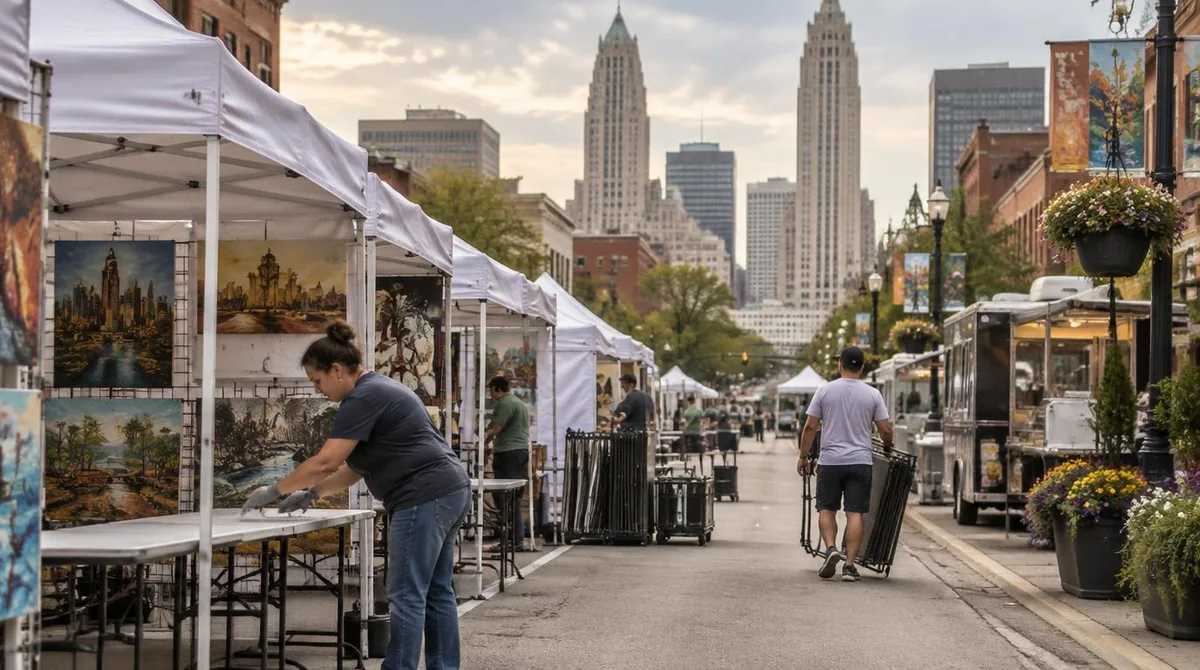
Spring is the traditional opener. The Oklahoma Tourism and Recreation Department names the Tulsa International Mayfest among the city's signature annual events, alongside Linde Oktoberfest Tulsa and ScotFest. Mayfest has historically filled downtown's Arts District with artist booths, food vendors and performance stages, and it anchors the spring calendar for many families.
One planning note for 2026: Mayfest moves to late May, tied to Route 66 centennial scheduling. If your mental model says "early May," check before you block a Saturday. The shift also means Mayfest sits closer to Memorial Day weekend, when hotel rates and restaurant waits already run high downtown.
Why is fall so crowded, and how do you plan around it?
Fall stacks the calendar. The Tulsa State Fair runs at Expo Square, Oktoberfest takes over a River Parks festival park for several days, and ScotFest celebrates the city's Scottish heritage in the same general season. Each draws its own crowd, and they overlap on weekends. Readers following this should also see How Tulsa Oktoberfest Works: Four Days, One River Park, a Regional Draw.
The practical move is to pick your lane. Fair crowds build on weekend evenings; weekday afternoons are noticeably lighter. Oktoberfest peaks on Friday and Saturday nights, when beer garden lines are longest. If you want the food and the music without the crush, go early in the run. For a deeper look at how the fair operates, see How the Tulsa State Fair Works: 900,000 Visitors, 11 Days, One Fairground, and for the beer-and-brass side, How Tulsa Oktoberfest Works: Four Days, One River Park, a Regional Draw. We covered a connected angle in How the Tulsa State Fair Works: 900,000 Visitors, 11 Days, One Fairground.
Ticket timing matters too. Season passes and advance discounts typically appear before gates open, and the window closes fast. Our fall ticket guide covers when sales actually open and where the savings sit.
What happens the rest of the year?
The off-peak months carry more than people expect. Downtown's First Friday Art Crawl runs monthly, opening galleries, studios and museums in the Tulsa Arts District. On the city's east side, the Art Crawl on 66 keeps Route 66 businesses open late on second Fridays from April through December, according to the Visit Tulsa events calendar. In Kendall Whittier, Third Thursdays on Admiral Boulevard turns the street into a monthly walk with shops and food.
June brings Juneteenth programming in Greenwood, the historic Black Wall Street district, with its own calendar and its own logistics. October adds Halloween-adjacent events: the Route 66 Monster Mile along 11th Street and the Hex House haunted attractions. And the holiday season starts the night after Thanksgiving, when Lights On at Utica Square switches on the Christmas season, a Tulsa tradition listed on the Visit Tulsa calendar.
Smaller towns around the metro hold their own events. The Mounds Harvest Festival, for example, draws visitors to a small-town fall celebration west of the city. These are worth the drive when you want a festival without a parking hunt.
How do you handle parking and crowds?
Each major venue has its own pattern, and knowing it saves time.
- Expo Square (State Fair): on-site lots exist but fill on weekend evenings. Arrive before late afternoon or expect to circle. Rideshare drop-offs back up near the gates at peak times.
- River Parks (Oktoberfest): the riverbank setting limits parking. Nearby lots and shuttle arrangements typically appear during the event; check the festival's own site each year rather than assuming last year's setup.
- Arts District (Mayfest, First Friday): street parking downtown is scarce during crawls. Park once, walk the district, and treat the evening as a stroll rather than a drive.
- Greenwood (Juneteenth): street closures around event blocks change access. Build in walking time from wherever you find a legal spot.
What this means in practice: the biggest crowds are predictable. Weekend evenings, opening days and anything tied to fireworks draw heaviest. Weekday visits and early-afternoon arrivals trade some atmosphere for a lot less friction.
Which events are worth building a day around?
Pair festivals with nearby stops and the day works harder. The Art Crawl on 66 sits near the Route 66 roadside stops the city is known for, from the Meadow Gold sign to newer attractions. Our Route 66 roadside guide maps the stops within an hour of town. Third Thursdays in Kendall Whittier pairs naturally with the district's shops and cafes.
Fair season rewards the same approach. If you go for the competitions rather than the midway, entries are judged before the gates open, and the exhibit halls are the quietest part of the grounds. See Blue Ribbons Before the Gates: How Tulsa State Fair Competitions Work for how that side operates.
For the full year at a glance, the 2026 festival calendar lists key dates from Mayfest to the State Fair, and the Route 66 centennial coverage tracks the extra programming tied to the highway's 100th anniversary.
What to know before you go
Tulsa's festival calendar rewards a little homework. Check dates each year, because events move; Mayfest's 2026 shift is the current example. Decide early whether you are driving or ridesharing, because that choice shapes your arrival time more than anything else. And remember that the monthly crawls, First Friday and the rest, are the low-cost backbone of the scene: free to attend, walkable, and crowded only for the hour or two after they start.
The evidence here establishes the recurring shape of the year: a spring festival opener, a stacked fall, monthly neighborhood events in between, and a holiday kickoff after Thanksgiving. What no calendar fixes in advance is weather, and Oklahoma springs and autumns can swing hard. The crowds are predictable; the sky is not.