The Tulsa State Fair draws more than 900,000 visitors over 11 days each fall, per fair organizers, which makes it the largest single event in the city's annual calendar by attendance. It runs from late September into early October at Expo Square, the 196-acre fairgrounds at 21st Street and Yale Avenue, and it is operated by the Tulsa County Public Facilities Authority — a public trust that runs the grounds as a year-round exhibition business, with the fair as its anchor tenant.
Understanding how the fair actually works — who runs it, where the money comes from, and how the schedule is built — explains a lot about why the event looks the way it does when the gates open.
Who runs the fair?
The Tulsa County Public Facilities Authority owns and operates Expo Square and produces the fair. The authority's year-round portfolio includes the SageNet Center, one of the largest clear-span exhibition buildings in the United States at roughly 325,000 square feet, plus the Exchange Center, the Pavilion, the historic Art Deco grounds buildings, and the fair's RV park. Trade shows, gun shows, dog shows, and concerts rent those halls throughout the year, and that rental income is what keeps the fairground economy solvent between fairs.
The fair itself is planned by a professional staff — a year-round team that books the carnival midway, contracts livestock shows, and manages the competitive exhibits program — with support from county governance on major decisions.
What actually happens during the 11 days?
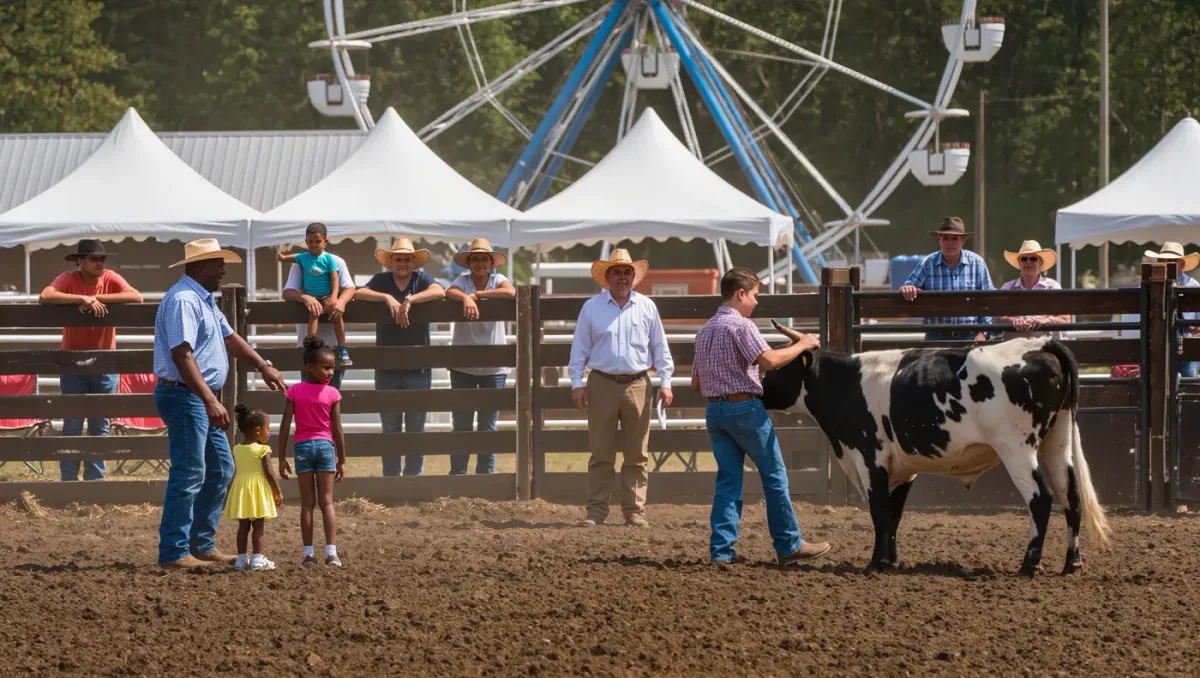
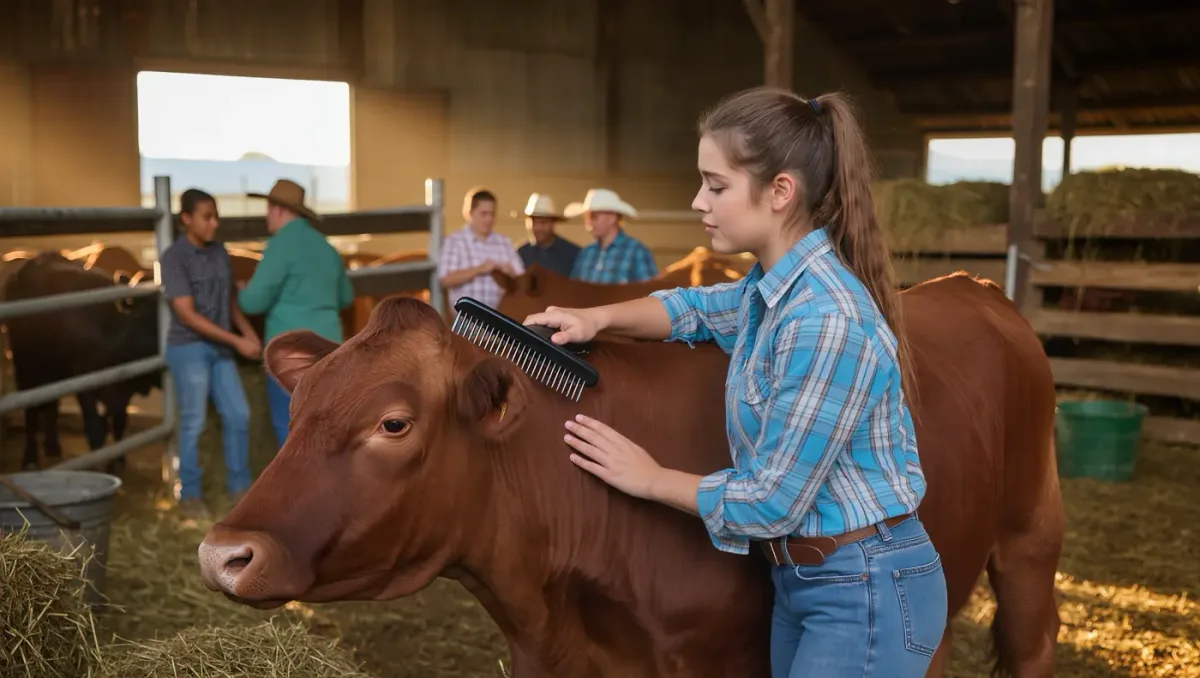
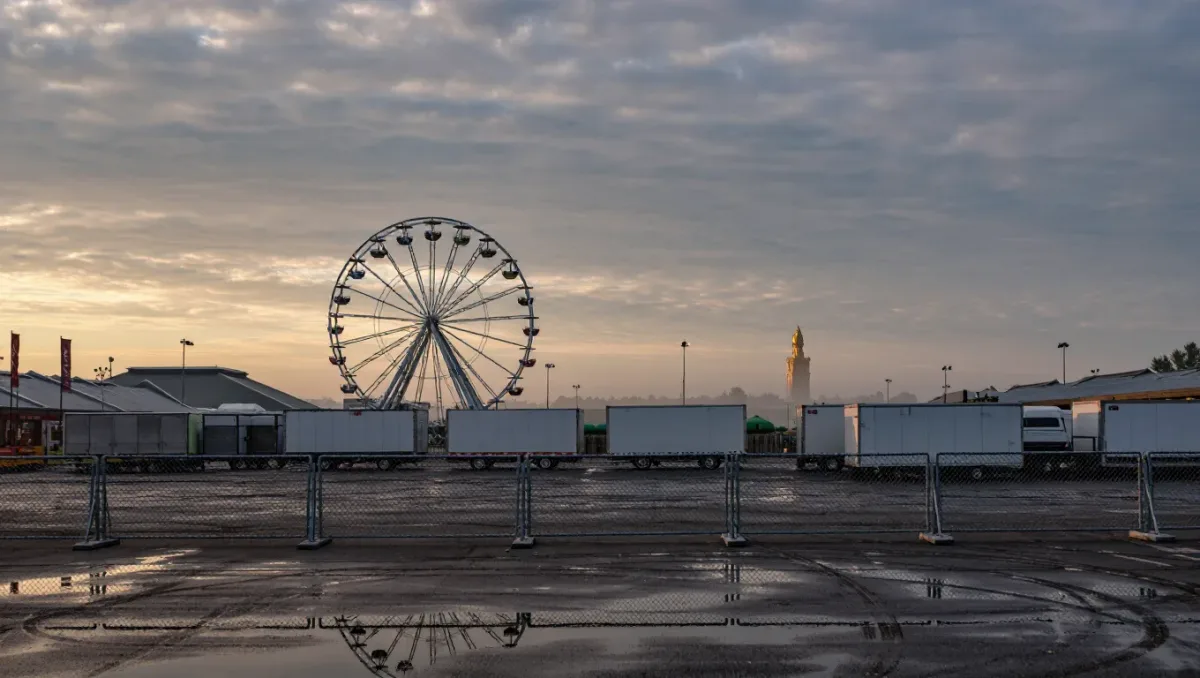
The fair is really several events stacked on one grounds. The carnival midway, run by a contracted ride company, supplies the rides and games most visitors associate with the fair. The livestock shows run in the barns at the grounds' north end, where 4-H and FFA students from across northeast Oklahoma show cattle, sheep, goats, and swine, culminating in the junior livestock auction. The creative arts competitions fill a dedicated hall with baked goods, quilting, photography, and canning entries from the public. Concert series, motorsports events, and roaming entertainment fill the schedule between.
Food is its own economy: the fair's concession program mixes independent vendors, some of whom have held the same fair stands for decades, with the fair's signature items — the annual new-food list is a standard local media beat each September.
Where does the money go?
Fair revenue comes from gate admission, midway ride wristbands and tickets, parking, concession and vendor fees, and corporate sponsorship. Costs are dominated by entertainment contracts, the midway deal, staffing for 11 days, and the year-round maintenance of aging grounds buildings. The authority reinvests revenue in capital work across Expo Square — roof repairs, restroom renovations, and ADA projects that a 1960s- and 1970s-era campus continuously requires.
The wider economics matter more to the city: an event of this size books hotel rooms, moves restaurant traffic, and fills service-industry payrolls across east Tulsa for two weeks. Regionally, it functions as the fall counterweight to the spring festival season downtown.
Why does the fair matter beyond September?
Three reasons. First, the junior livestock program is an agricultural-education pipeline: the auction pays out tens of thousands of dollars to student exhibitors each year, and many of those students reinvest in next year's animal projects. Second, the competitive arts program keeps a low-cost entry point open to the general public — entering a jar of salsa or a photograph costs a few dollars, and premium checks pay winners after the fair closes. Third, the grounds themselves are a civic asset: Expo Square hosts disaster staging, large-scale vaccination sites, and community events in years when the calendar requires it.
The Golden Driller — the 75-foot oil-worker statue that has stood on the grounds since the 1950s and was refurbished in the 2010s — remains the fairgrounds' unofficial landmark and a reminder that the site began as the Tulsa International Petroleum Exposition, the oil-industry show that predates the modern fair.
How do visitors save money?
The fair's pricing rewards planning. Advance gate admission sold before opening day runs several dollars cheaper than the walk-up price, and carnival wristbands sold online ahead of time undercut the mid-fair price. Opening-day promotions, industry-night discounts, and school-day afternoon deals are published on the fair's schedule each August. Parking on the grounds is paid, with free shuttles running from remote lots on the busiest weekends.
How do exhibitors and vendors get in?
The commercial side runs on applications and deadlines. Food and retail vendors apply for space in the winter and early spring, with the fair prioritizing returning vendors and capping new concessions in the most trafficked buildings. Competitive-arts entrants follow the fair’s published entry book, which opens in summer and closes in August, split by department: baking, canning, quilting, photography, fine arts, and youth divisions. Livestock exhibitors register through the state’s 4-H and FFA channels, with entry deadlines in the summer and show schedules published before the gates open.
The pattern to note is that everything deadlines early. By the time the fair’s advertising saturates local airwaves in September, the roster of who sells, shows, and competes has been locked for weeks — which is why the fair’s own staff describes the event as a year-round business that opens for 11 days, rather than the reverse.
What to watch next
Watch for the fair's theme and concert lineup announcements in late spring, the competitive-arts entry book in summer, and the advance ticket window in August. Anyone planning to enter competitions rather than attend should start with the entry deadlines — they close weeks before the gates open.