A Tulsa charity ball or awards night runs on a strange kind of clock. Guests see one evening of dinner, speeches and dancing. The people who stage it have been working on that evening for the better part of a year.
That gap — between what the room sees and what the planning actually takes — is the real story of Tulsa's big events and affairs. The glamour is the product. The process is committees, contracts, volunteer shifts and a budget that gets argued over line by line. Here is how that process usually unfolds, and what it means for anyone asked to help pull one off.
Why does planning start so far in advance?
Big formal events start early for one plain reason: the venue calendar. Hotel ballrooms and event halls in a mid-sized city book up fast, especially for the fall and holiday season. A committee that waits until spring to plan a December gala often finds its first-choice room already taken.
Date, venue and theme usually get locked down first because nearly everything else depends on them. The catering menu, the invitation printing, the entertainment and the fundraising targets all flow from those early choices. Change the date late in the game and you risk losing the band, the florist and half your committee at once.
There is a language point hiding in this, and it is a useful one. Usage guides note that a planned event does not technically "happen" — it "takes place." The Free Dictionary draws that distinction in its usage notes, which is fitting: nothing about a gala is left to chance, least of all the schedule.
Who actually runs the show?
Most charity balls and award nights are run by a small core with a wide net of helpers. The typical structure looks like this:
- An event chair or co-chairs who own the timeline and make the final calls.
- A host organization's staff — often a development or events director — who handle the budget, the vendor contracts and the guest database.
- Committee leads for the big workstreams: sponsorship, auction, decor, food and beverage, and program.
- Volunteers who fill in on the night itself, from check-in tables to silent-close auction sheets.
The chair's job is less about creativity and more about follow-through. Someone has to confirm that the printer sent the proofs, that the auction items arrived, and that the honoree knows when to be where. In practice, the most valuable trait on a gala committee is a tolerance for reminder emails.
How does the money side come together?
A fundraising gala has two budgets, and confusing them is the classic rookie mistake. There is the cost of putting on the event, and there is the money the event is supposed to raise. Sponsors, ticket sales, auctions and raffles all sit on the income side; catering, rentals, printing and entertainment sit on the expense side.
Sponsorships usually come together first, because businesses plan their giving along with their own budgets. Many local companies commit support for the year rather than event by event, which is why a gala's sponsor list often looks similar from one year to the next. Ticket pricing then has to balance two pressures: high enough to hit the fundraising goal, low enough that the community the organization serves can actually attend.
The auction is where a lot of the night's energy comes from, and it is built weeks before anyone dresses up. Committees solicit donated items and experiences from businesses and supporters, then organize them into live and silent offerings. A strong auction chair knows which donors to ask early and which items pair well beside each other on the display table.
What does the final month look like?
The last stretch before a gala is a countdown of confirmations. Final guest counts go to the caterer, seating charts get revised, and the run of show — the minute-by-minute plan for the evening — gets typed, argued over and reprinted. A run of show typically covers when doors open, when dinner is served, when the program starts and who holds the microphone at each moment.
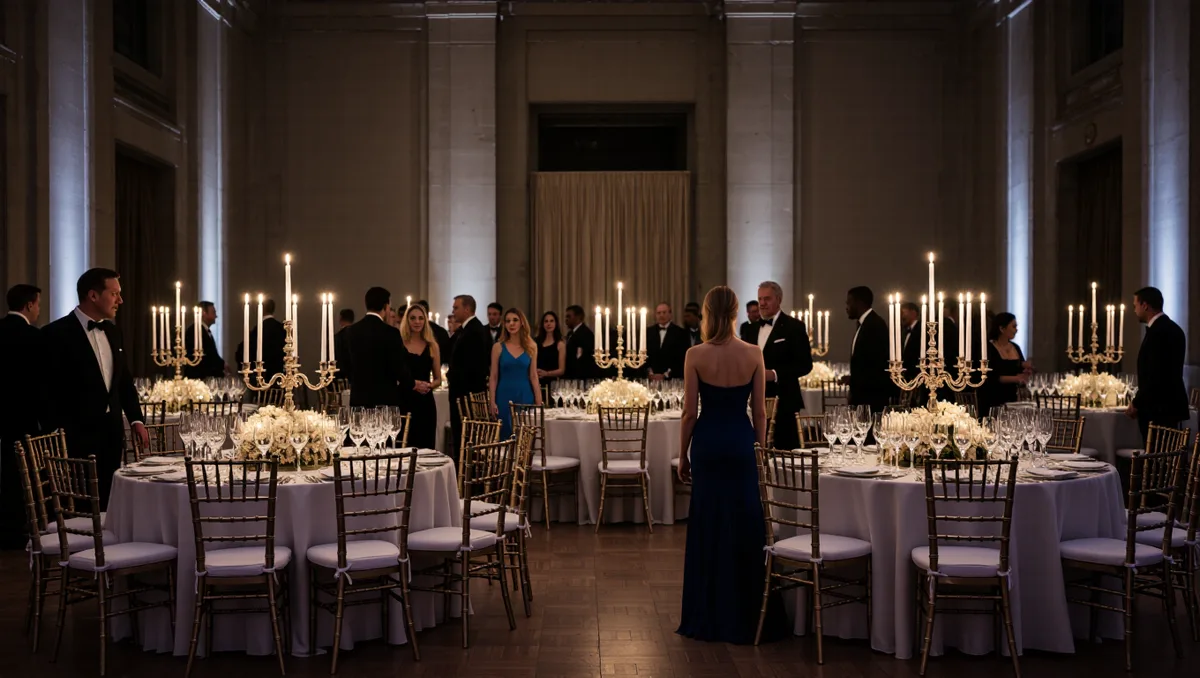
Day-of work is its own craft. Setup crews transform an empty ballroom over several hours. A rehearsal for speakers and honorees catches the problems no one predicted: a podium that blocks the screen, a video that will not play, an awardee who did not know she was expected on stage. Then the doors open, and the committee's job shifts to fixing things quietly.
Veteran planners keep what is sometimes called a crisis kit — tape, scissors, extension cords, spare name badges, batteries. The goal is simple. Any problem a guest can see should be fixed before the guest finishes noticing it.
What this means for attendees and volunteers
If you attend these events, a little understanding of the machinery changes how you experience the night. Arriving close to your table's listed time helps the seating chart work. Bidding early in a silent auction, rather than in the final minutes, tends to raise more for the cause. And thanking a volunteer costs nothing.
If you are asked to help plan one, start with the timeline, not the theme. Confirm the venue and date, build the budget, and recruit committee leads before committing to any detail that costs money. Our analysis of how these events succeed comes down to that: the galas that look effortless are the ones where someone wrote everything down months ago and followed up relentlessly.
Tulsa's calendar of larger events and affairs keeps growing, and the people behind it are mostly volunteers with day jobs. Knowing what their work involves makes you a better guest, a more useful committee member, and a smarter sponsor. That is worth remembering the next time you pick up a program at the door.
Where to follow Tulsa's event season
The evidence here is general craft knowledge of event production rather than figures about any single Tulsa gala — attendance counts, budgets and dates vary by organization, and each host group is the authoritative source for its own numbers. What the broader pattern establishes is that the visible evening is the smallest part of the work. What remains unknown, from the outside, is exactly how any one organization divides its planning labor; the way to learn that is to ask to join the committee. For related coverage, see Tulsa's Seasonal Event Calendar: Planning Your Year of Festivals and Shows.
For a wider view of the season, our events coverage tracks what is coming to town, and our guide to Seasonal Event Planning in Tulsa: A Host's Year-Round Checklist walks through the same advance-planning logic from the host's side. This connects to our earlier piece, Seasonal Event Planning in Tulsa: A Host's Year-Round Checklist.