The housing type Tulsa needs most is the kind its zoning makes hardest to build. Small multifamily buildings — duplexes, triplexes, fourplexes, courtyard apartments — rent for less than new single-family homes and cost less per unit to build than towers, yet for decades the city's residential zoning has mapped most of its land to single-family-only use, following a pattern set by cities across the country, per national housing research. That gap between what is legal and what is affordable is the missing-middle problem, and Tulsa is now working through it in public.
The stakes are concrete: rents in the metro have climbed faster than local wages through the post-2020 cycle, per federal housing data, and the units that would relieve that pressure are precisely the ones the market has been prohibited from supplying at scale.
What is missing-middle housing?
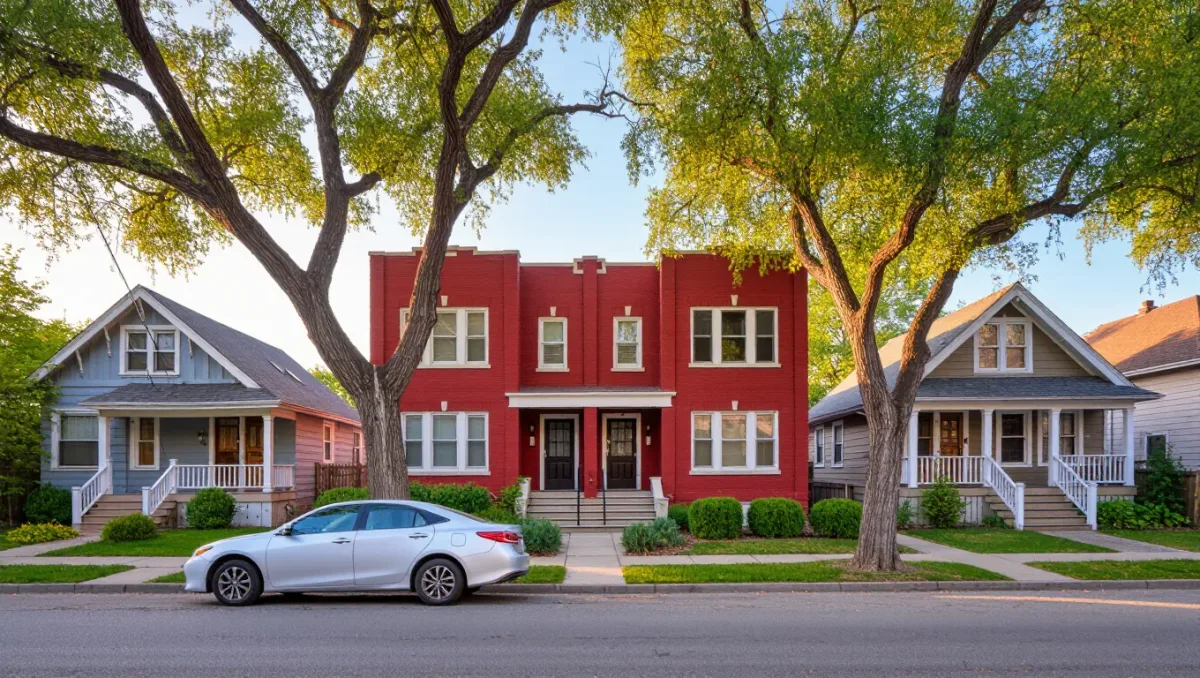
The term, coined by the national planning firm Opticos Design, describes the building types between the detached house and the mid-rise: duplex to eightplex, townhomes, courtyard buildings, small apartment houses — the stock that filled American streetcar neighborhoods in the early 20th century before zoning separated them from their surroundings. Tulsa's own older neighborhoods — Maple Ridge's edges, Kendall-Whittier, the Pearl District — carry surviving examples that could not be built as-of-right on most of the lots around them.
The economics explain the shortage. Land, site work, and utility connections cost roughly the same whether a lot holds one unit or four, so spreading those fixed costs across more units is how builders hit attainable price points. Prohibit four units and the market delivers only two products: expensive detached houses and costly structured apartment blocks.
What is changing nationally — and where does Tulsa stand?
The legal landscape has moved fast elsewhere. Minneapolis ended single-family-only zoning citywide in 2019, and Oregon passed a state law the same year requiring middle housing legalization in larger cities, per those jurisdictions' records. Dozens of smaller reforms — accessory dwelling unit allowances, parking minimum reductions, duplex byrights — have followed across the country.
Tulsa's path has run through its planning process rather than a single landmark vote. The city's comprehensive planning work has repeatedly flagged zoning's role in the housing shortage, and incremental steps — ADU discussions, corridor rezonings, and mixed-use designations along transit streets — have expanded where multifamily product can land, per City of Tulsa planning records. The political weight sits in the neighborhoods: single-family districts defend their zoning, while the city's affordability math argues for more capacity on the same land.
Why doesn't the market just build apartments?
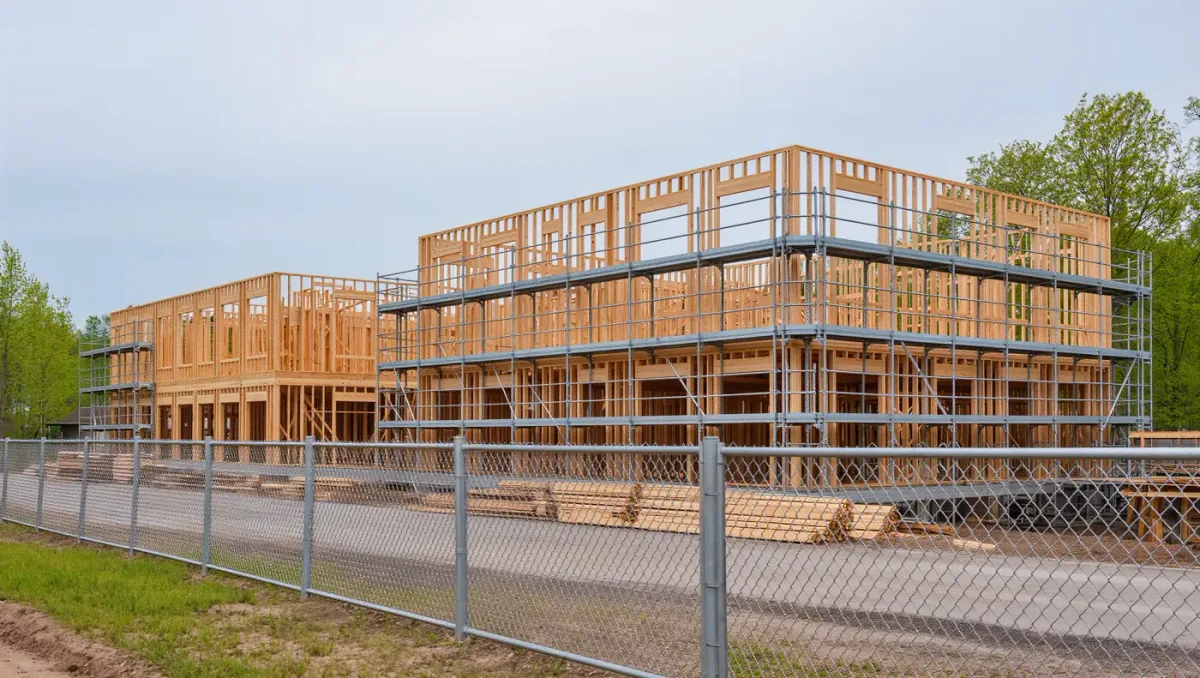
Because the two ends of the market solve different problems. Structured apartment product — the five-story wrap buildings rising along Tulsa's corridors — serves renters but carries construction costs that require top-of-market rents to clear, commonly cited around the $200-per-square-foot range before land, per industry cost data. Detached production serves buyers at prices inflated by the same land and site costs. The missing middle falls out because it is legal almost nowhere and easy everywhere in between.
Tulsa's construction-cost position complicates recovery further: labor and materials price nationally, while Tulsa incomes price locally — which is why permissive zoning alone does not guarantee middle housing, only makes it possible.
How does Tulsa’s shortage compare regionally?
Tulsa’s affordability advantage over the coasts is real but eroding, and the mechanism is the missing middle in motion. The metro built heavily at the two ends of the market — suburban tract homes and downtown-adjacent wraps — while the middle sat legally frozen, so working renters face a squeeze that neither suburban production nor luxury downtown product relieves. Federal data on rent burdens shows the pattern nationally, and Tulsa’s direction of travel through the post-2020 cycle matches it.
The metro’s growth complicates the picture in a good way: employment growth in aerospace, healthcare, and energy keeps demand firm, which means Tulsa’s housing question is a supply question, not a demand question. Cities with soft demand can paper over zoning problems for decades; cities adding jobs cannot, because the shortage converts directly into recruitment friction — employers in Tulsa report housing availability as a relocation constraint in workforce surveys, a complaint that compounds in exactly the middle-income bands missing-middle housing serves.
The comparison that matters to local policymakers is against Oklahoma City and Northwest Arkansas, both competing for the same relocating workers and both carrying their own versions of the zoning question. Housing cost is one of the few competitiveness variables a city can move unilaterally, which is why the missing-middle debate keeps returning to Tulsa’s agenda regardless of which administration holds office.
The philanthropic and employer layer adds pressure unique to Tulsa’s civic structure: major local foundations and employers have funded housing studies and pilot work, giving the policy debate more analytic groundwork than a city of Tulsa’s size typically fields.
What should residents watch in their own neighborhoods?
Three mechanics. Rezoning requests and comprehensive-plan amendments at Planning Commission show where capacity is actually being added — each docket is public. Infrastructure spending decides feasibility: water, sewer, and street capacity on infill lots is often the hidden constraint that zoning reform alone cannot fix. And ADU policy — whether Tulsa treats backyard cottages as routine or exceptional — is the single fastest lever, since ADUs build without assembling land at all.
For homeowners, middle housing is also a wealth question: a lot that can legally hold two or three units carries that value, and aging owners facing property taxes increasingly notice the difference between Tulsa's reformed and unreformed blocks.
What to watch next
Watch the city's zoning-code work, the corridor rezoning dockets, and any ADU ordinance that reaches the Council. The missing middle returns when three things align — legal capacity, financeable construction costs, and neighborhood acceptance — and Tulsa controls one of the three directly.