National office vacancy hit record levels above 19 percent through 2024, per Moody's analytics, and downtown Tulsa shares the structural problem behind the number: hybrid work permanently reduced demand for the office stock every American downtown built through 2019. Tulsa's response now runs through the same playbook peer cities are testing — converting underused office buildings to housing, starting with the pre-war towers where the math works.
The stakes for downtown Tulsa are civic, not just financial. A central business district built around weekday office traffic either adds residents or manages decline; every planning document the city has produced in the last five years says so, and conversions are the fastest mechanism for adding them.
Which buildings can actually convert?
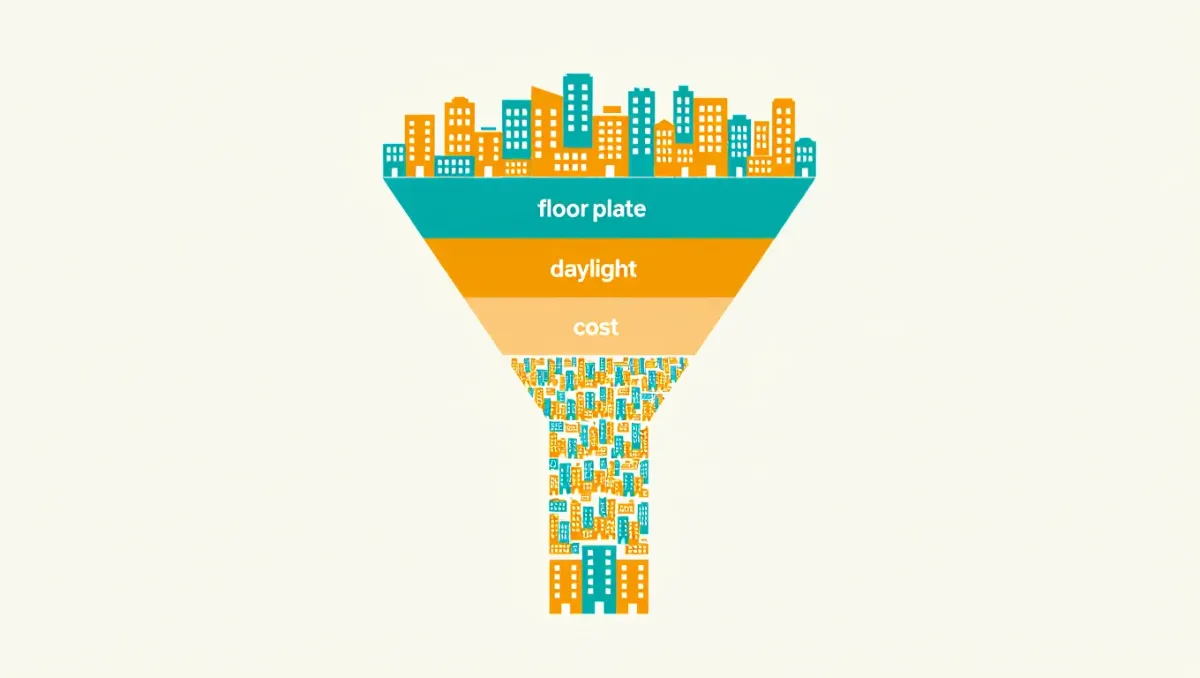
Feasibility sorts buildings into tiers, and the sorting is unforgiving. The candidates that work share a profile: pre-1945 construction with masonry bearing walls, operable windows in every unit, relatively shallow floor plates that put daylight within reach of interior space, and corridors short enough to serve apartments without dead cores. Tulsa's Art Deco-era stock — the district's defining inventory — fits that profile far better than the glass-and-steel boxes of the 1970s and 1980s, whose deep floor plates and sealed curtain walls make residential layouts cost-prohibitive, per national conversion studies.
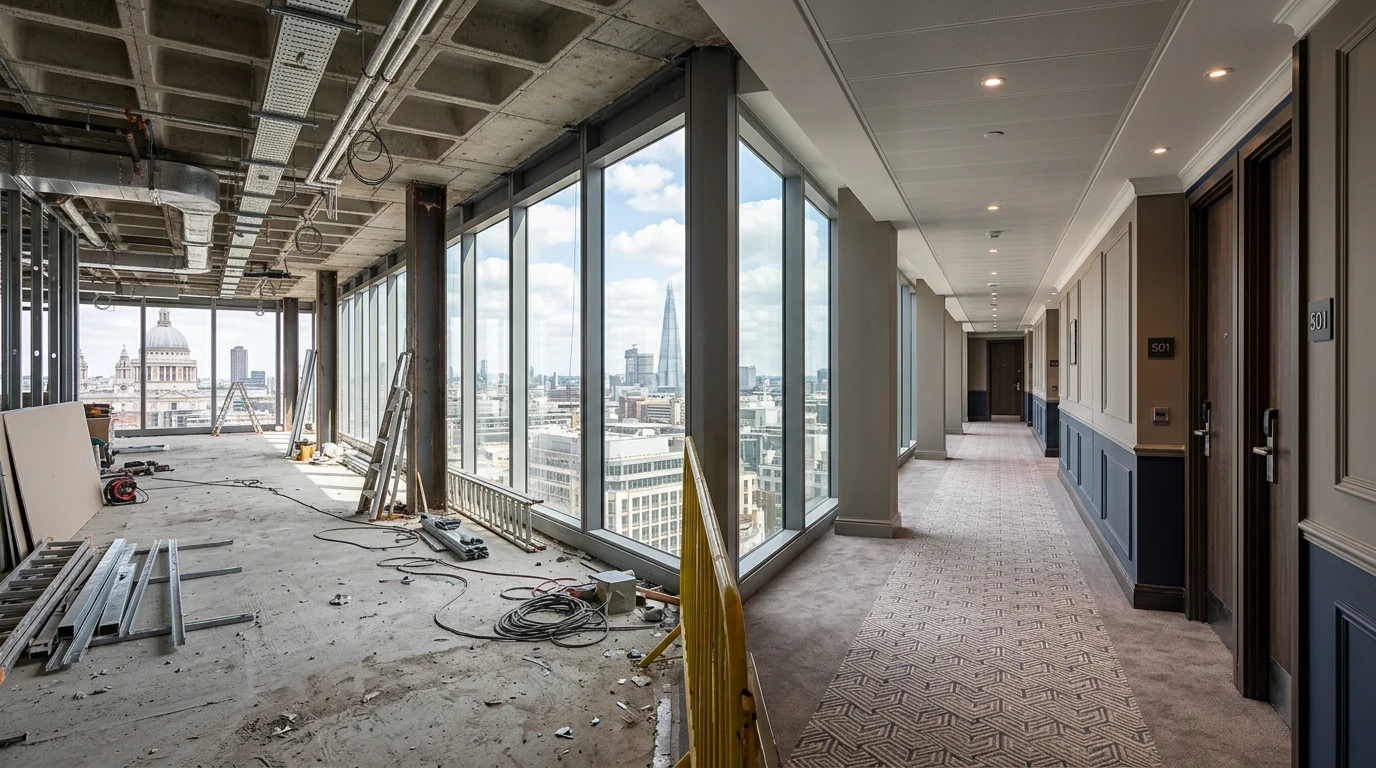
The immediate blockers in most cases are mechanical: plumbing stacks and bathrooms need locations the office floor plan never imagined, HVAC must be replaced entirely, and building codes require egress and light-and-air configurations that offices never had to meet. Engineers price these constraints before architects style anything.
What does a conversion cost?
National studies put office-to-residential conversion costs commonly in the low-to-mid hundreds of dollars per square foot, frequently within reach of the building's post-conversion value only when the purchase price is low — which is the hidden logic of the whole field: conversions pencil when distressed office prices let a developer buy the structure cheaply enough to absorb the construction premium, per industry cost analyses. That is why conversion activity surges precisely when office values fall, and why Tulsa's moment arrived with the office market's repricing rather than with any new local policy.
Public tools close the remaining gap. Historic tax credits apply to Tulsa's eligible pre-war stock and routinely carry a conversion's pro forma across the line. Tax increment financing can fund the public-side work — sidewalks, utilities, parking strategy — that a residential building needs but cannot finance. And direct incentive programs, on the Calgary and Los Angeles models, have paid per-square-foot subsidies or rewritten zoning to industrialize the pipeline in peer cities, per those cities' program records.
What have peer cities proven?
Los Angeles wrote the template in 1999: its adaptive reuse ordinance streamlined approvals for converting historic downtown office buildings, and the program produced more than 12,000 housing units over two decades, per city records. Calgary went further during its own office glut, paying direct per-square-foot incentives to demolish or convert the weakest towers. The federal government entered the field in 2023 with a program to convert surplus federal office buildings, per the White House announcement, signaling that the tool has moved from experiment to policy.
The common lesson across all of them: conversions scale when the public sector removes process risk — approvals, zoning, code paths — and lets private capital chase the buildings the market has repriced.
What should Tulsa watch locally?
Four markers. Named buildings entering the conversion pipeline — announcements with addresses, not concept sketches. Zoning and code work: whether the city creates a byright conversion path or leaves each project to a bespoke rezoning. The TIF and tax-credit stack actually attached to the first deals. And the apartment absorption that follows — because conversions only reproduce if the first wave's units lease.
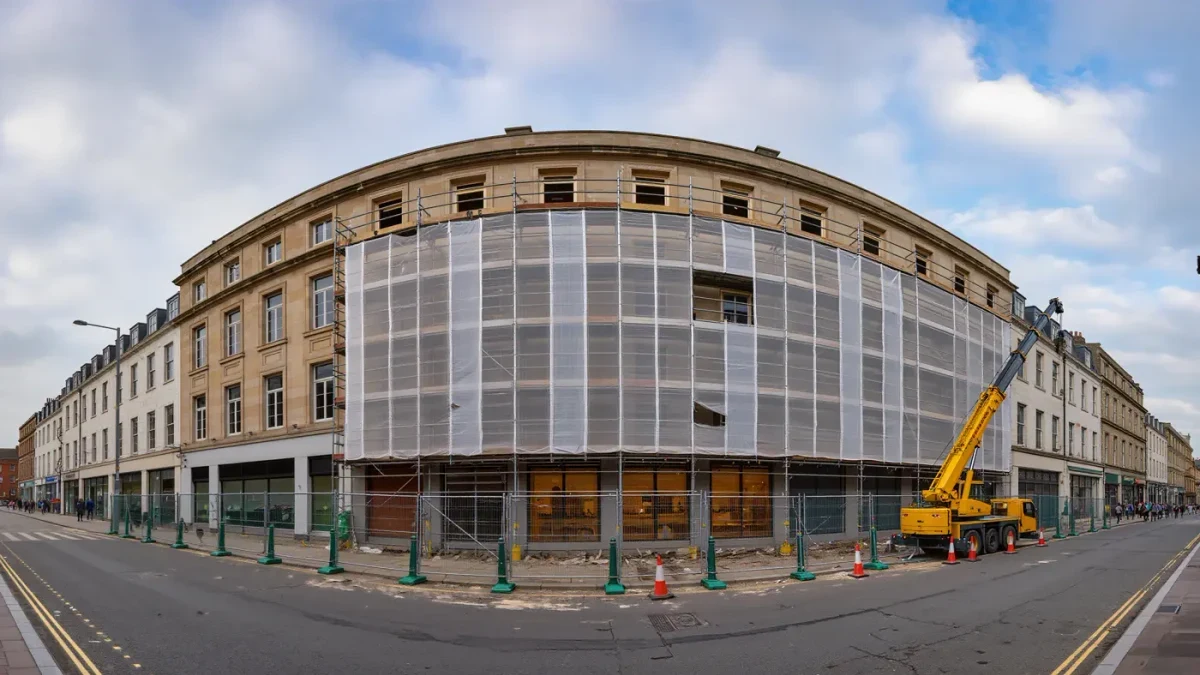
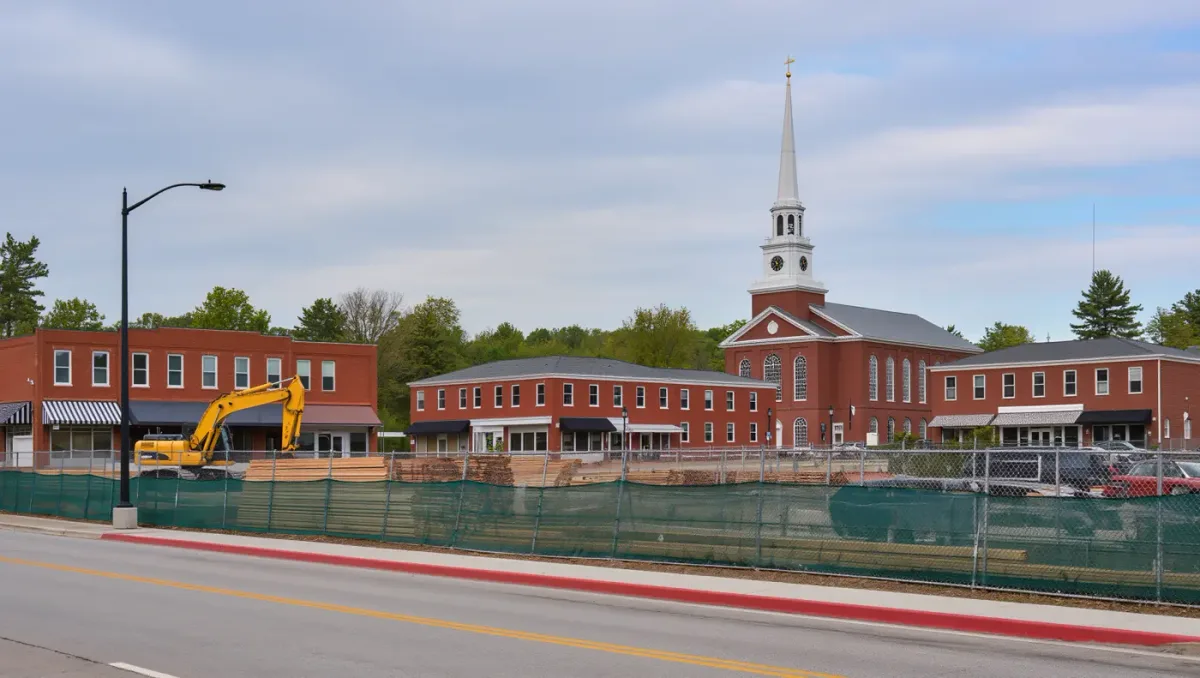
The physical tell is visible from the street: window openings appearing on floors that never had bathrooms, and crane or scaffold activity on towers whose parking garages emptied years ago.
What happens to a downtown that converts?
The successful-conversion downtown looks different in ways Tulsa’s planners can enumerate from peer cities. Weekday populations flatten: residents arrive in the evening and stay on weekends, spreading demand to grocery, pharmacy, and school services that office districts never supported. Ground-floor retail repositions from lunch counters toward neighborhood-serving uses. Parking demand shifts from commuter accumulation to residential turnover, which changes the economics of the garages downtown’s office era overbuilt.
City finances shift too, in both directions: residential property values stabilize the tax base against office repricing, but a converted tower typically carries a lower assessed value than a fully leased office building did in 2019 — the conversion trades peak office value for durable residential value, and the transition year shows a dip. School enrollment follows residents downtown, which the district plans for on a lag.
The social ledger is the argument that carries the policy: a downtown with residents is safer, busier, and more defensible at council budget time than one that empties at 6 p.m. Every peer city that converted at scale — Los Angeles, Calgary, and the smaller Midwest projects — reports the same sequence: housing first, retail follows, and the district’s politics change once people sleep there. Tulsa’s version of that sequence is just beginning, and the buildings on its skyline are the inventory it gets to work with.
What to watch next
Watch the city's code and incentive decisions through the coming budget cycle, Planning Commission dockets for named conversion applications, and national financing conditions — interest rates set the ceiling on the whole field. Downtown Tulsa's next few thousand residents, if they come, will move into buildings the city has already built; the question left in 2026 is which ones, and how fast.