Downtown Tulsa enters 2026 with a development pipeline built on three pillars: the hotel-and-arena district around the BOK Center, a growing push to convert aging office space to housing, and the spillover from riverfront projects that reopened Zink Lake in 2023. Per the city's downtown planning documents, the strategic frame has not changed — add residents, protect the historic core, and connect downtown to the river — but the projects moving through it in 2026 are the most consequential batch since the arena era.
The pipeline matters to more than developers. Downtown's trajectory sets the city's tax base, its hotel inventory, and its argument for retaining young workers who compare Tulsa to peer cities with denser cores.
What anchors the arena district?
The BOK Center, opened in 2008, remains downtown's economic engine, and the district around it has absorbed the largest private investment of the modern era: the Hyatt Regency hotel that opened in 2021 across from the arena closed the convention-hotel gap that had cost Tulsa convention bids for a generation, per Visit Tulsa. The surrounding blocks have since added restaurant density and event-support uses that cluster around arena traffic.
The next layer of arena-district development is infill: surface parking lots that ring the district are the last large developable sites within walking distance of the arena, and every planning document since the 2010s has marked them for mixed-use projects. Progress has been incremental, but the land economics improve with every addition downtown — parking demand from new residents keeps the lots profitable, which ironically slows their redevelopment.
Why is office-to-housing conversion the pipeline's big story?
Downtown Tulsa, like downtowns nationally, carries more office space than its office market can fill after the remote-work reset. City leaders and developers have spent the last two years studying conversions of older office buildings to apartments, and the math is favorable for a subset of stock: pre-war buildings with operable windows, shallow floor plates, and historic-tax-credit eligibility, per the city's downtown housing studies.
The conversion push pairs with a housing affordability angle — downtown units serve a market segment that suburban production does not, and every occupied unit adds a resident to a district whose retail depends on after-5 p.m. foot traffic. The barriers are real: floor-plate geometry, plumbing costs, and parking requirements can add tens of thousands of dollars per unit, which is why the pipeline favors projects with public gap financing.
How is the pipeline financed?
Three tools do most of the work. Tax increment financing districts capture the new property and sales tax generated inside a district and reinvest it in that district's public infrastructure. Historic tax credits reward rehabilitation of the core's stock of Art Deco-era buildings. And voter-approved city bond packages and the 2016 Vision package funded public infrastructure — streets, parks, the riverfront — that private projects build against, per City of Tulsa records.
The sequencing matters: public investment lands first, private capital follows the improved site economics, and the tax base growth then repays the tools that financed it. The city's riverfront investments — Zink Lake's reopening as a recreational flat-water destination in 2023 being the flagship — follow exactly that logic.
Who are the players?
The pipeline runs through a small, interconnected cast. The City of Tulsa sets the frame through its Planning Commission, its TIF policy, and its bond programs. The Tulsa Authority for the Recovery of Vision and associated trust structures administer the voter-approved funding. Private developers — local firms with downtown track records, plus out-of-market capital drawn by tax credits — carry the projects. And anchor institutions, from the hospitals north of downtown to the university and city-county facilities, generate the employment density that makes housing conversions financeable.
The coordination point is increasingly the city’s downtown-focused planning staff and the business improvement district that manages cleanliness, safety, and activation in the core. Those operational layers matter to investors as much as incentives do: a district that feels managed defends its rents, and defended rents are what conversions underwrite.
The risk register is equally concrete. Interest rates set the conversion math, construction costs set the infill math, and both have whipsawed since 2022. A downtown pipeline built in 2021 assumptions had to reprice through 2023-2025, which is partly why the 2026 calendar is decisive — the projects that survived repricing are the ones actually breaking ground.
What is moving outside downtown proper?
The pipeline's gravity extends to the districts downtown feeds. Kendall-Whittier continues to convert east of downtown, the Greenwood district carries both memorial projects and new construction, and the east Village-adjacent blocks have absorbed apartment product aimed at medical district workers. The pattern across all of them is the same as downtown's: historic stock, gap financing, and a walkable-core thesis.
What should residents watch in 2026?
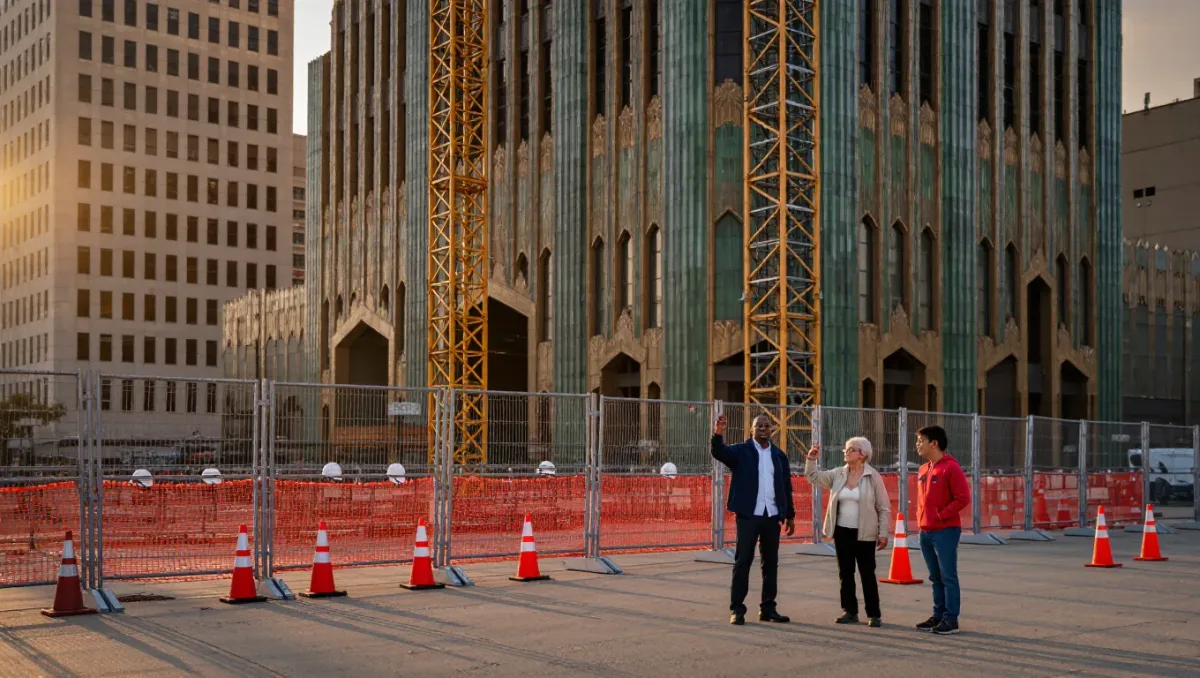
Four markers tell whether the pipeline is actually moving: conversion announcements on named office buildings, not just studies; groundbreakings on arena-district infill lots; the pace of Zink Lake-driven riverfront private investment; and the city's decisions on TIF district boundaries, which reveal where the next public-private wave lands. Each is visible without a press pass — from crane counts to Planning Commission agendas.
What to watch next
The year's decisive moments will be Planning Commission dockets and any bond or TIF actions from the City Council. Downtown Tulsa's pipeline in 2026 is less a single project than a compounding argument — residents, hotels, and riverfront — and each conversion announcement or groundbreaking strengthens the next one's financing case.