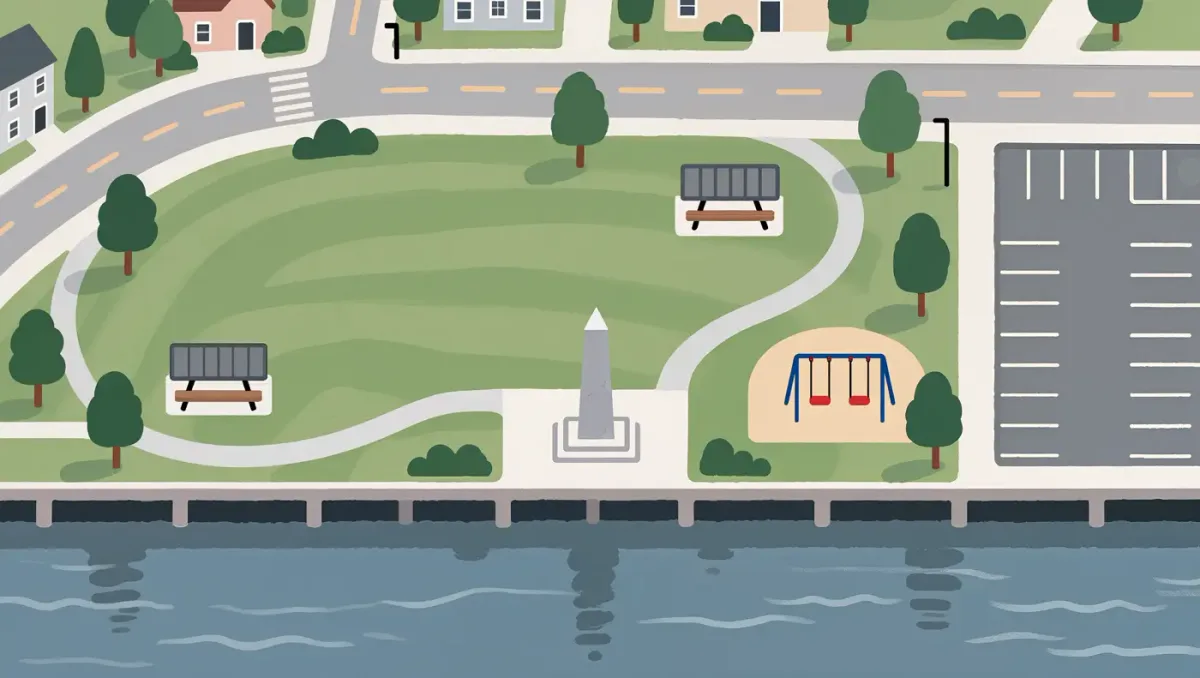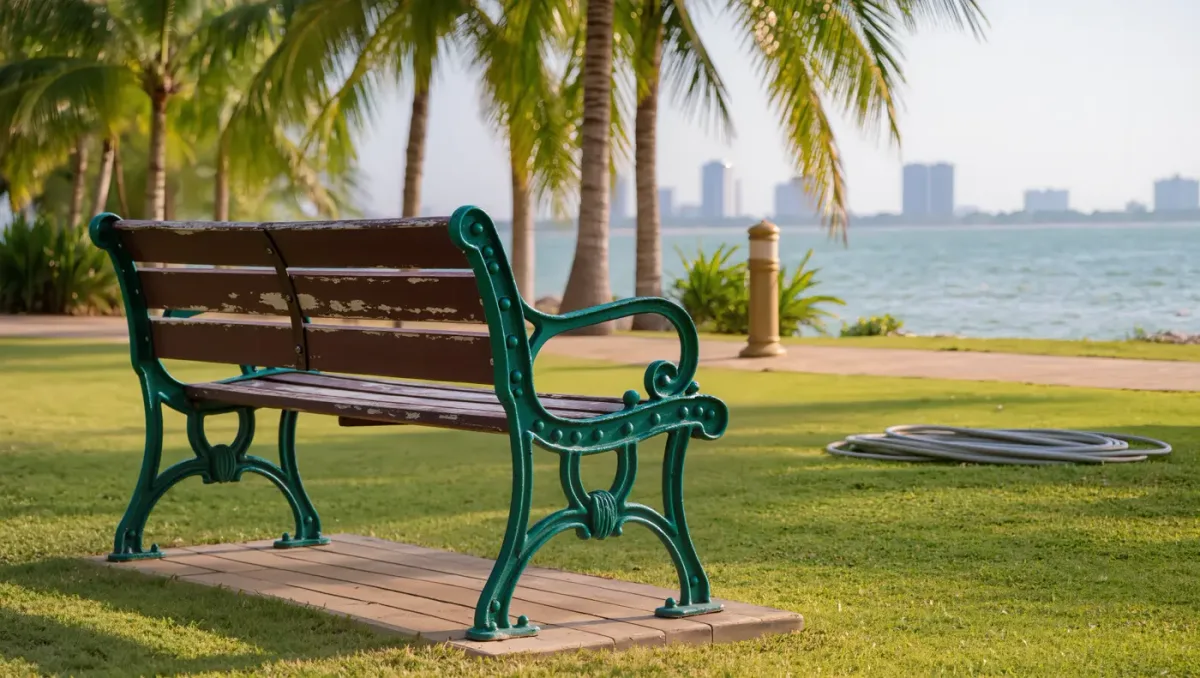
The Gathering Place opened in September 2018 as the most expensive park project in American history built largely on private philanthropy — about $465 million raised, led by Tulsa's Kaiser family foundation and a roster of local donors, per the park's founding records. Eight years later, the 66-acre first phase along the Arkansas River draws more than a million visits a year and has been ranked the nation's best city park in national reader polls, per the park organization.
But the interesting question in 2026 is not attendance. It is what the park actually changed — in the riverfront economy, in Tulsa's competitive pitch, and in what the city now expects from its public spaces.
What did the park cost, and who paid?
The funding structure is the park's signature fact: the overwhelming share of the $465 million came from private donors, led by the George Kaiser Family Foundation, with public money covering park infrastructure and operations support — a reverse of the usual public-park formula, per the park's founding documentation. The largest private gift to a community park in U.S. history, as the project was widely described, reset expectations for what Tulsa institutions could fund when they coordinated.
The operating model followed the construction one: a private conservancy runs the park, with an endowment and ongoing fundraising covering much of the operating cost, while the city's park system supports the surrounding grounds.
What measurable effects has the park had?
Three are defensible. Tourism: the park became Tulsa's most-visited attraction almost immediately, and regional visitor spending followed the foot traffic — hotel occupancy and restaurant volume along the river corridor and in Brookside and downtown measurably absorbed park-weekend demand, per tourism-board reporting in the park's early years. Property: investment along the Riverside corridor and in adjacent neighborhoods priced in the park's presence, the classic amenity-capitalization effect that park economics predicts. Talent: recruiters and employers use the park as the leading exhibit in Tulsa's quality-of-life pitch, and the park's education programming — partnered with area schools — put it inside the workforce-development argument rather than beside it.
What the park has not done is generate direct revenue at scale: admission is free, the park subsidizes its own programming, and its economic value flows entirely through spillover — which is why evaluating it as a business misses the design.
How did it change Tulsa's development trajectory?
The park's deepest effect may be the standard it set. Projects across the city — riverfront planning, downtown public spaces, trail investments — are now measured against the design and maintenance quality donors demonstrated at the Gathering Place, and the public-funding packages that follow have faced a raised bar for what public space should look like. The 2016 Vision package's river funding landed in the same corridor and with the same logic: make the Arkansas River a front yard rather than a back fence.
The park also proved the city's philanthropic capacity to itself. The capital stack that built it — dozens of family foundations and corporate donors coordinated over a decade — is the model civic leaders now cite for every subsequent big idea, from education initiatives to river dams.
What does the visitor economy look like around it?
The park’s foot traffic anchors a corridor economy that did not exist at this scale in 2018. Riverside Drive’s restaurant and retail row, the Brookside district inland, and the downtown hotel market all absorb park-driven demand, and event weekends — festivals, tournaments, and school-break peaks — radiate bookings outward from the park’s gates. The tourism board’s convention pitches now lead with the park alongside the arts deco architecture and the Route 66 corridor, a package the city could not assemble before 2018.
The programming calendar does quiet daily work too. Free weekly programming — fitness classes, education events, family festivals — generates visitation that behaves like recurring revenue for surrounding businesses: predictable, local, and spread across weekdays rather than concentrated on weekends. For a free park, that pattern is the entire economic model: the park monetizes nothing directly and everything adjacent.
Employers report the park most often in the same breath as cost of living when explaining relocation offers — the quality-of-life line item that used to require a flight to Denver or Austin now exists four miles from downtown. In workforce surveys and economic-development pitches alike, that shift is the park’s least quantifiable and most cited contribution, and it is why Tulsa’s civic leadership treats the park’s operating endowment as infrastructure rather than amenity.
The corridor’s next question is connective tissue: how well the trail network, transit, and river crossings knit the park to downtown and the growing river districts — infrastructure decisions that determine whether the park’s gravity lifts a corridor or just its 66 acres.
What are the honest critiques?
Three recur. Distribution: the park concentrates world-class amenity investment on one site south of downtown, and advocates for north Tulsa parks and neighborhoods have pressed for comparable-quality investment elsewhere — a debate about sequencing, not the park itself. Operations: a privately endowed park raises questions about what the public park system can afford to maintain elsewhere. And crowding: the park's success strains parking, traffic, and the trail corridor on peak weekends, pushing the city's river infrastructure decisions it might otherwise have deferred.
What to watch next
Watch the park's second-decade planning, the river projects that extend or connect its corridor, and the city's neighborhood-parks funding — the Gathering Place argument in 2026 is no longer whether Tulsa can build at this level, but whether it can spread what it learned across the whole park system.