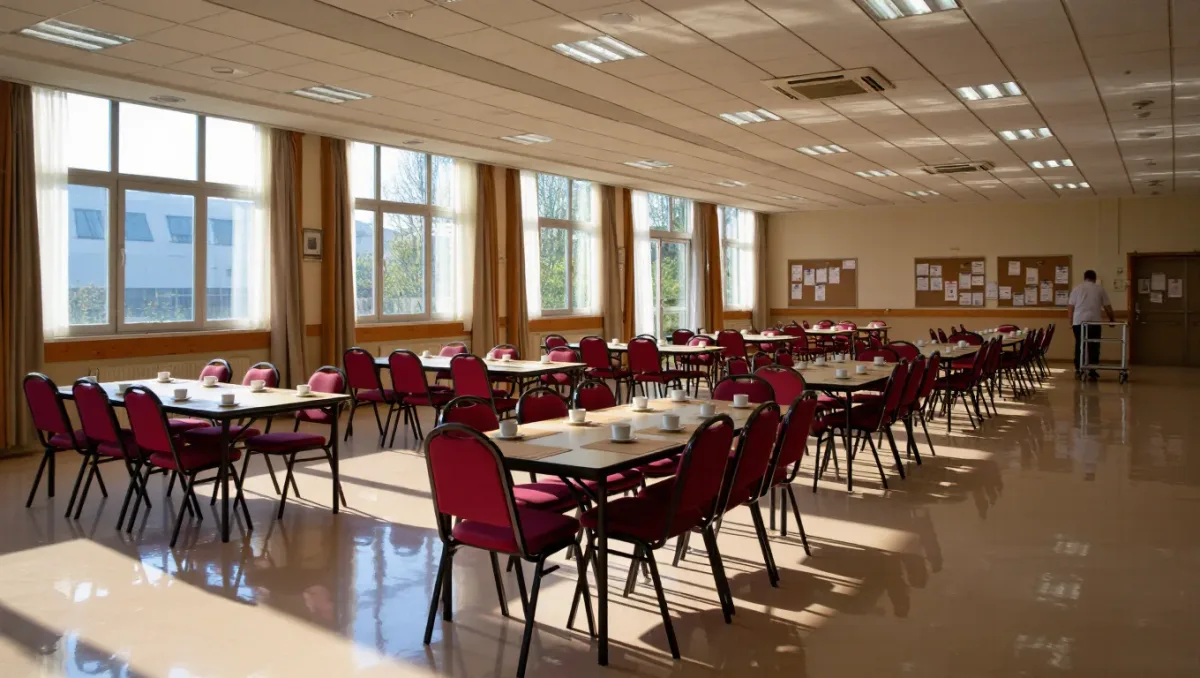
Tulsa's senior center network runs on a simple bargain: anyone 60 or older can walk into a congregate meal site, eat a hot lunch, and walk out with access to exercise classes, Medicare counseling and caregiver support — typically without paying for any of it, with donations invited instead. Behind the network sits LIFE Senior Services, the nonprofit that operates Tulsa-area senior centers and serves as the Area Agency on Aging for the region, routing federal and state aging funds into the programs that keep an estimated tens of thousands of northeast Oklahoma seniors living independently.
For families sorting through options for a parent — or for seniors themselves — here is what the system offers and where each door is.
What happens at a senior center?
The congregate meal is the anchor, and it is deliberately designed as more than food. Lunch is served on site on weekdays at centers across the metro, and the meal hour carries the programming: blood pressure checks, benefit counselors at a corner table, exercise classes before and after, and the social contact that geriatricians now treat as a health intervention in its own right. Oklahoma's senior population — roughly one in six Oklahomans is 65 or older, per state demographic estimates — makes the network one of the larger public-facing service systems in the metro.
Centers also run the activities that fill a week: line dancing, crafts, bingo, computer help hours, tax preparation sites each spring and legal aid clinics on rotating schedules. The calendar varies by location, and the centers publish monthly schedules; the practical entry point is calling the nearest site and asking for the current month's sheet.
How does Meals on Wheels work in Tulsa?
For homebound seniors, the same organization coordinates home-delivered meals — the program most residents know as Meals on Wheels. Recipients qualify by age and by assessment of need rather than income, delivered by volunteer drivers on weekday routes. The waiting list, when one exists, is the system's most important number, because a meal route is often also a welfare check: drivers report closed doors and changed conditions, which for some recipients is the only outside contact of the day.
Referrals come from hospitals, physicians, churches and families, and the intake process runs through the agency's central line rather than through individual centers — a detail worth knowing, because a hospital discharge planner's referral moves faster than a family's phone call after a crisis.
Where do caregivers get help?
The caregiver programs are the least advertised and most used part of the network. Federal funding under the Older Americans Act flows through Area Agencies on Aging to caregiver support: respite care that gives family caregivers scheduled hours off, support groups, training on dementia care, and counseling on the decisions — home modification, adult day care, eventually long-term care placement — that families face without any manual. Oklahoma's caregiver demographics make this load heavy: the state skews older, rural kinship networks carry care that urban systems professionalize, and Tulsa absorbs families from across northeast Oklahoma when care arrangements fail.
The Medicare counseling piece sits here too. Trained volunteer counselors, operating under the state's health insurance assistance program, sit down with seniors each fall during open enrollment and compare Part D drug plans, Medicare Advantage options and supplement policies — free of charge, and with no product to sell, which distinguishes the service from the insurance brokers who advertise aggressively in the same season.
Transportation: the quiet bottleneck
Ask center directors what limits participation and the answer is rarely interest — it is the ride. Tulsa's dispersed geography and car-dependent street design make driving the default for seniors, and giving up a license is the moment isolation risk jumps. The network responds with options that most families never learn exist: reduced-fare and demand-response transit services operated with the region's transit authority, volunteer driver programs coordinated through faith communities, and center vans that shuttle members to the building on scheduled days. None of it covers a sprawling metro fully, and the gaps fall hardest on south and east side neighborhoods far from frequent routes. Families planning care do well to solve transportation first — a lunch reservation means little without a Tuesday driver.
What does any of it cost?
The funding model explains the pricing. Older Americans Act services are federally funded, state-supplemented and locally delivered with no means test: meal sites suggest donations, counseling is free, and cost-sharing applies only to some home-based services under income-scaled rules. That design keeps the doors open to seniors on fixed incomes who would skip a sliding-scale clinic but will accept a suggested five-dollar lunch donation. Fundraising fills the gap between appropriation and demand, which is why the agency's spring and fall campaigns matter to whether waitlists grow.
How do you find the right entry point?
Two routes cover nearly every need. For local programs — centers, meals, classes — contact LIFE Senior Services directly or the nearest center. For benefits and options anywhere in the country, the federal Administration for Community Living operates the Eldercare Locator, which routes families to the correct Area Agency on Aging by zip code; it is the fastest tool for adult children coordinating care from another state. For benefits screening, Oklahoma's aging services division runs options counseling that walks seniors through every program they may qualify for, from SNAP to utility assistance, in one appointment.
What to watch next: Oklahoma's senior share keeps climbing as the population ages in place, and the policy variables to track are state funding for senior nutrition and the federal Older Americans Act reauthorization cycles. Locally, the immediate test is simpler — whether the center nearest you has a full calendar and a short waitlist, which any phone call will reveal in minutes.