Tulsa Public Schools opened enrollment for the 2026-27 school year on January 12, per the district's announcement, and every step now runs through the SchoolMint online platform. Families who want a seat outside their neighborhood school — or who are new to the district — have the best odds of getting their first choice if applications go in during the winter window rather than in August, when popular schools have already filled grade levels.
The district serves roughly 33,000 students across about 60 schools, per Tulsa Public Schools figures for the 2024-25 school year, and its enrollment rules affect thousands of households at once: which campus a child attends, whether siblings stay together, and how principals plan staffing for the fall. Here is how the window works and what changed this year.
What changed: one system for everything
The biggest operational change is platform-wide. The district retired its previous Avela enrollment system and moved to SchoolMint on July 1, 2025, per Tulsa Public Schools. That means returning families, new enrollees and transfer applicants all use the same portal — tulsaschools.schoolmint.com — with a single family account that tracks every student in the household.
For parents, the practical difference shows up in three places: applications can be submitted around the clock rather than during office hours, the status of each school request is visible in the portal instead of arriving by phone, and document uploads — proof of address, birth certificates, immunization records — happen inside the application rather than at a school front desk.
How school choice works in Tulsa
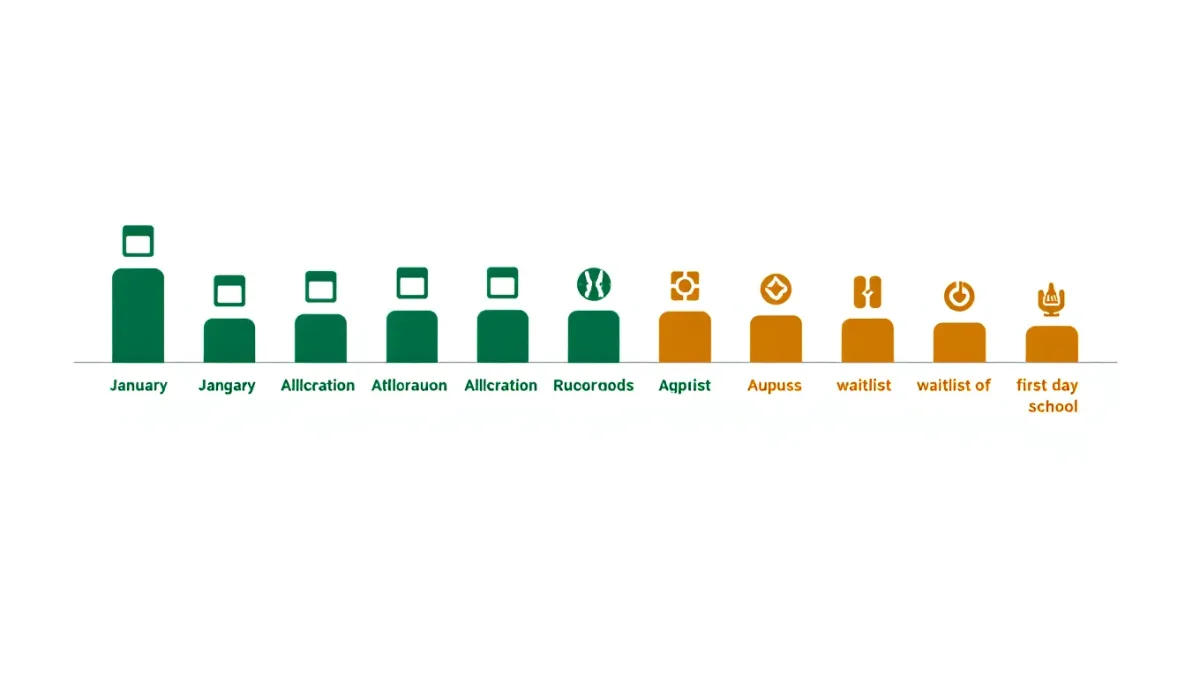
Tulsa Public Schools is a choice district. Every resident child is assigned a neighborhood school based on address, but families may apply to any school with open capacity, including magnet-style programs such as dual language campuses and the district's specialized academies. Requests are handled through the same SchoolMint application, and the district processes them in rounds: applications filed in the winter window are grouped together, and seats are allocated before the next round begins.
Two caveats matter. First, some programs have eligibility criteria — audition-based or criteria-based selection — that sit on top of the standard application, per the district's enrollment resources. Second, a transfer is not guaranteed: if a school's grade level fills, applicants land on a waitlist, and transportation is generally the family's responsibility for schools attended outside the assigned boundary.
What documents do families need?
Whether enrolling a kindergartner or transferring a tenth-grader, the district requires the same core set:
- Proof of residency in the Tulsa Public Schools boundary — a utility bill, lease or mortgage statement;
- The student's birth certificate;
- Current immunization records, or an exemption on file with the state;
- Guardian photo ID;
- Any custody or guardianship documentation, where applicable.
Families without ready access to documents can work through the district's enrollment center; the main line, 918-746-7500, routes to staff who handle missing-paperwork cases, and the district accepts enrollment questions by email at enroll@tulsaschools.org.
Why the timing matters
Enrollment counts drive budgets. Oklahoma districts are funded on a weighted per-pupil formula, and Tulsa Public Schools builds staffing plans for the fall off spring enrollment projections. A family that applies in January helps the district predict kindergarten sections and teacher allocations at their chosen campus; a family that walks in on the first day of school in August may find the nearest section of that grade already capped, with a bus route or a different building as the fallback.
The same logic cuts the other way: last-minute school closures and consolidations across the state have made families cautious about assuming a campus will operate exactly as it did the year before. Watching the enrollment rounds — and the waitlist movement in late spring — is the most reliable signal of where the district expects to have seats.
Kindergarten and age cutoffs
Age rules come from state law, not district preference. Under Oklahoma statutes, a child must turn five on or before September 1 to enroll in kindergarten for that school year, and four on or before September 1 for pre-kindergarten. Parents of children with late-summer birthdays face a real decision: hold the child a year or start them as among the youngest in the class. Either way, the January window is when kindergarten seats at choice campuses are allocated, so the decision needs to be made months before the school year starts.
Kindergarten enrollment also requires the same document set as any other grade, and the district encourages early submission precisely because kindergarten sections at popular dual language and neighborhood campuses fill fastest. A waitlist spot in April can still convert over the summer, but it is not a plan.
Mid-year moves and waitlists
Enrollment does not stop when the window closes. Families who move into the district mid-year, or whose children change custody arrangements, can apply at any point through SchoolMint. What changes is seat availability: after the winter and spring rounds, remaining capacity concentrates in less-requested campuses and upper grades. The district maintains waitlists by grade level, and movement is most active in the two weeks before the August start date, when families who accepted multiple offers release seats they no longer need.
The most common mistake, per enrollment staff across Oklahoma districts, is assuming an accepted transfer renews automatically. In most cases a family must reapply after the transfer term ends, and reapplication happens through the same window as first-time requests — another reason to keep portal notifications turned on through the spring.
What charter and private options change
Tulsa families also weigh charter schools authorized through the district or the state, and the Oklahoma State Department of Education maintains the transfer and accountability framework that all of these options sit inside. The key dates differ by sector: charters run their own lotteries, typically in the spring, while private schools set their own admission calendars. For any public-school path, though, the January window is the one that matters.
What to watch next: the district typically processes the first allocation round within weeks of the window opening, and families should check SchoolMint for offer notices and accept deadlines in the portal. Kindergarten families and mid-year movers face the same portal — the difference is only how much seat choice remains by the time they apply.