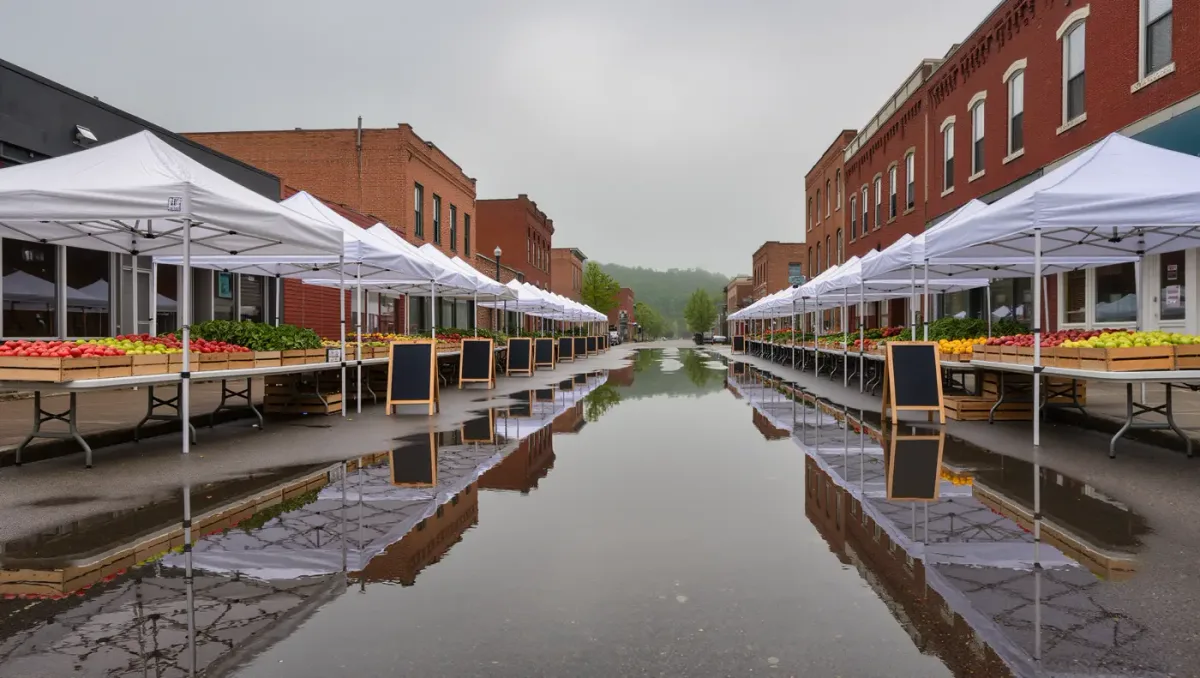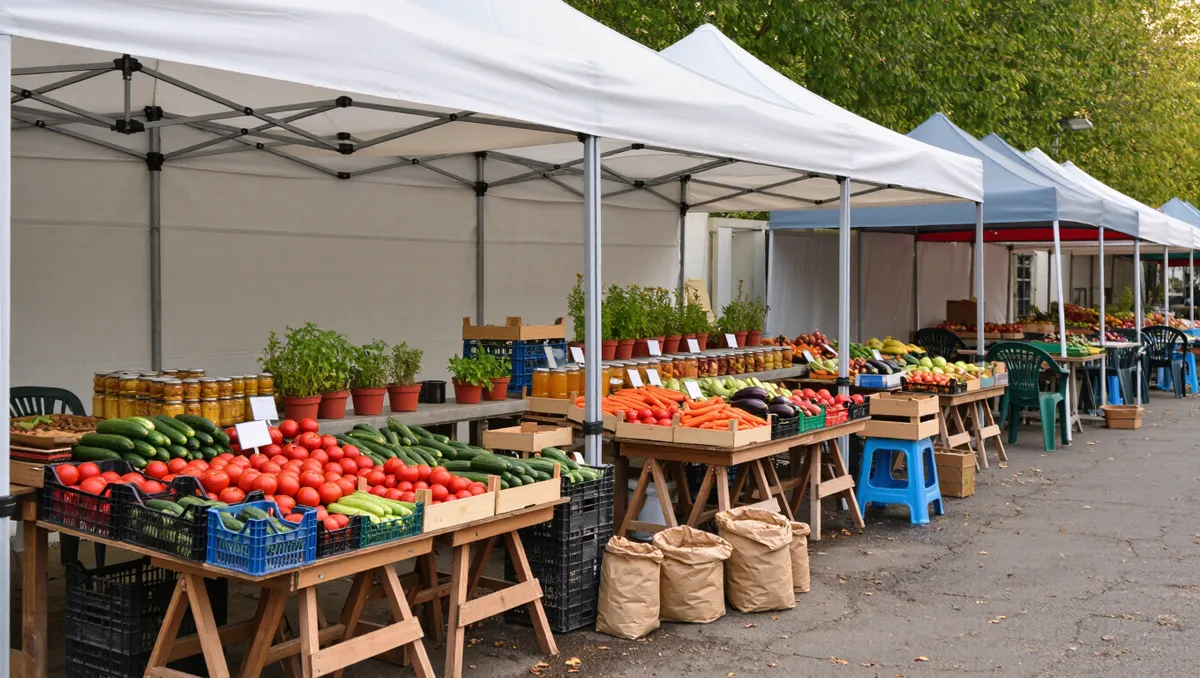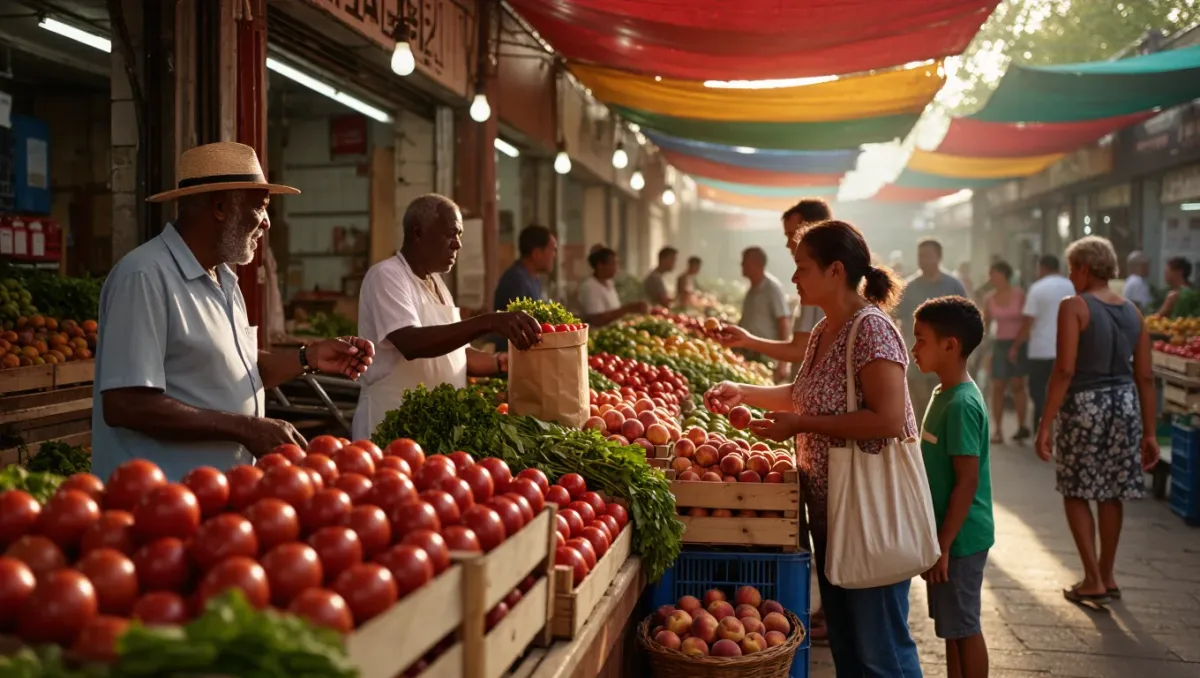
Tulsa's farmers market season runs roughly from April through October, and by late June the stalls are at their fullest: tomatoes, peaches from Porter and the first sweet corn crowd the Saturday morning circuit that centers on the long-running Cherry Street market and spreads through Kendall-Whittier, Brookside and suburban squares. For shoppers, the markets are now a working food channel rather than a boutique outing — several accept SNAP benefits, and the Double Up Oklahoma program stretches those dollars on fruits and vegetables.
Here is how the market map works: who sells where, how the benefit programs function, and what it takes for a farm or food business to get a stall.
Which markets anchor the Tulsa season?
The Cherry Street Farmers Market is the city's flagship, a Saturday morning institution in the midtown Cherry Street district with the deepest vendor roster and the largest crowds. Around it sits a distributed network: the Kendall-Whittier district market serving that neighborhood's east-side corridor, seasonal markets in Brookside, south Tulsa and the surrounding suburbs including Broken Arrow and Jenks, plus weekday pop-ups tied to campuses, hospitals and office districts. Each market runs its own calendar — most start in April or May and run into October — so the practical strategy is picking a home market for the weekly shop and treating the others as season day trips.
Hours skew early. Markets open in the morning and wind down before noon, both for the heat and because produce sellers prefer selling in the first two hours. Shoppers arriving at 11 a.m. get the bargains; shoppers arriving at opening get the selection.
How do SNAP and Double Up Oklahoma work at markets?
Most Oklahoma farmers markets that accept SNAP run the same mechanics: the shopper swipes an EBT card at the market's info tent and receives tokens or scrip to spend with participating vendors. On top of that sits Double Up Oklahoma, the nutrition-incentive program that matches SNAP spending on fruits and vegetables — spend a set amount of benefit dollars and the program provides matching dollars for produce, effectively doubling a family's buying power on healthy food. Hunger Free Oklahoma coordinates the incentive infrastructure that links these markets to the state's food-assistance systems.
The details matter at the tent: matching funds typically apply to produce only, tokens usually expire at season's end, and WIC and senior farmers market nutrition program vouchers follow their own summer distribution through county health channels. Families budgeting on benefits should ask the market manager two questions — what matches today, and which vendors take which currency — before the first purchase.
What actually sells, and when?
Oklahoma's season has a rhythm. May belongs to greens, strawberries and bedding plants; June brings the state's famous beginning of peach season from Porter in Muskogee County, along with squash and the first tomatoes; July and August are the peak — melons, sweet corn, peppers and okra — and September into October shifts to winter squash, greens and the fall plant fairs. Beyond produce, the stable of value-added vendors has grown into a real small-business incubator: bakeries, salsas, local honey, grass-fed meats, eggs and coffee roasters hold permanent stalls at the bigger markets.
Buying patterns follow the rhythm. Shoppers who want a season's worth of tomatoes for canning strike deals with the same farm week after week; many markets run online pre-order systems where a customer reserves a box and collects it at the stall — the mechanism that turned market shopping into a workable grocery strategy for households with tight mornings.
Shopping smart: prices, timing and storage
Market pricing surprises first-time shoppers in both directions. Staple produce in peak season — tomatoes, squash, zucchini — frequently matches or beats grocery pricing because it skips the distributor margin; artisan goods and early-season berries run premium. Vendors discount the last hour rather than the first, regulars build standing relationships that come with reserved items, and cash still moves fastest at the busiest stalls even where cards are accepted. Bring a cooler in July: the drive home matters when the trunk is 95 degrees and the cargo is ripe peaches.
Storage knowledge doubles the value of a market haul. Tomatoes ripen on the counter, never in the refrigerator; greens keep longest washed, dried and bagged with a towel; stone fruit bought firm ripens within days at room temperature. Market staff hear the same question every weekend — how do I keep this from going bad — and the honest answer is to buy the quantity a household actually eats in a week, then return next Saturday, which is exactly the pattern the vendors are selling.
How does a vendor get a stall?
Each market sets its own rules, but the pattern is consistent: an application in late winter, proof that the seller grows or makes what they sell — markets distinguish producer-only stalls from resellers — liability insurance, and fees by stall size for the season or the week. Tulsa-area markets have become a genuine launch platform for food businesses: the salsa or bakery brand that starts on a Saturday stall graduates into grocery shelves and a commercial kitchen, and the market's audience functions as the cheapest market research available to a young Oklahoma food company.
For new growers, the county Oklahoma State University Extension office doubles as a technical resource — soil testing, variety selection and food-safety guidance for direct-to-consumer sales all run through the extension system.
What to watch next: market calendars publish in March, SNAP incentive funding renews annually and varies by market, and the late-July melon peak is the week Tulsa's markets hit maximum volume. For a family grocery budget, the combination of peak season and matched SNAP dollars makes August the cheapest month of the year to eat locally.