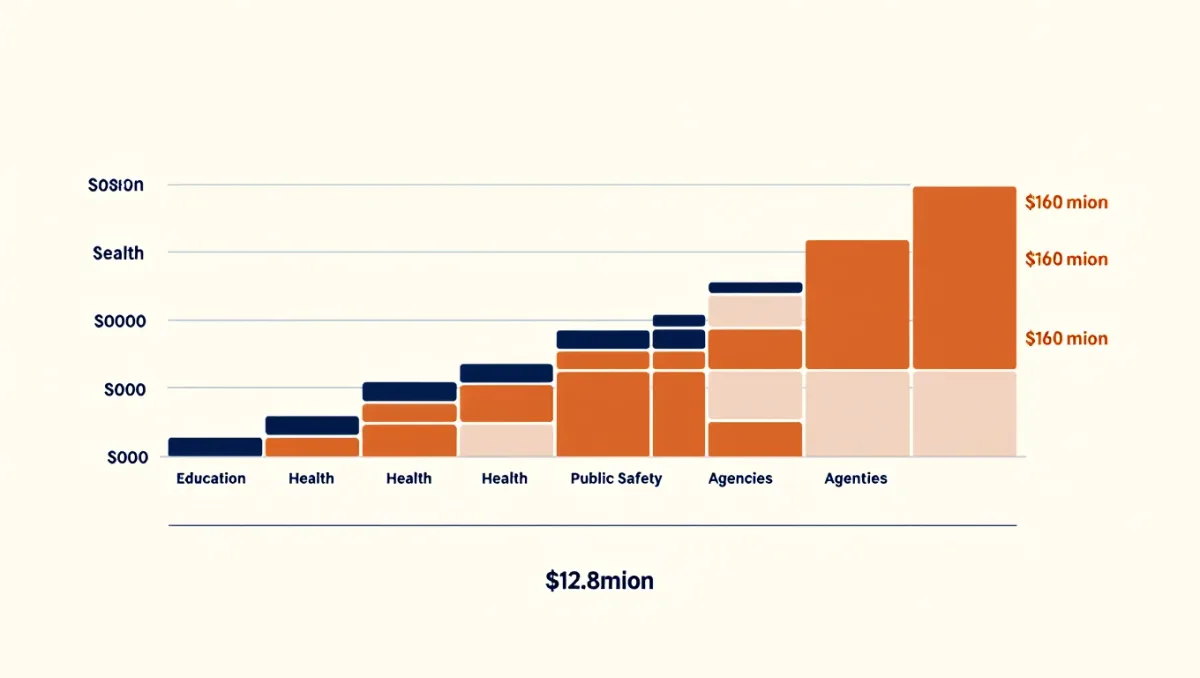
Gov. Kevin Stitt signed Senate Bill 1177, Oklahoma's general appropriations bill, on April 16, 2026 — a $12.8 billion topline for fiscal year 2027, about $160 million above the current year but short of what agencies requested, per Oklahoma Voice and KGOU. Had he waited past the week, the bill would have taken effect without his signature on July 1 anyway.
The signing locked in the framework negotiators announced April 1: roughly $12.9 billion in agreed spending, a teacher pay raise and health funding increases, with most agency budgets held near flat.
What the general appropriations bill actually does
The GA bill is the skeleton, not the body. It sets the big totals by agency category, but the line-item bills passed alongside it — the appropriation subcommittee measures — allocate the money inside each agency. A school district, a prison or a clinic learns its real funding from those detailed bills, which run dozens of pages and move quickly once the topline is signed.
What the $160 million increase buys — and what it doesn't
- A teacher pay raise, implemented through the education funding formulas
- Increased health funding, per the April 1 announcement
- Medicaid, corrections and most agencies held near flat, which after inflation is a reduction in purchasing power
At roughly 1.3 percent growth against an inflation rate running higher, agencies face the same math households do: same dollars, smaller budget. Expect agencies to cover the gap with hiring slowdowns and deferred contracts rather than headline program cuts — the kind of reduction that shows up in wait times before it shows up in press releases.
The tax side is still separate
Stitt paired the budget signing with continued calls for a 0.25 percent personal income tax cut and full elimination of the grocery sales tax. Those are revenue measures, not appropriations, and they live on their own bills. The risk, per legislative arithmetic reported through the session, is that tax cuts adopted late in the session come out of the reserves the budget just declined to build.
Why early budgets are rare in Oklahoma
The Legislature's regular budget calendar ends June 30; most sessions run to the wire. Closing the topline in mid-April, five weeks before the constitutional deadline, gives schools time to finish staffing contracts and agencies time to plan. It also shifts the end-of-session drama from money to policy bills — firearms, immigration and social legislation typically crowd the May calendar regardless of budget status.
What to watch next
The line-item appropriation bills as they clear the final floor votes before May 29 adjournment, and the fate of the income tax cut bill. If both land, this session will be remembered as the one Oklahoma budgeted early and cut taxes late; if the tax bill stalls, the flat budgets stand as the session's real fiscal statement.