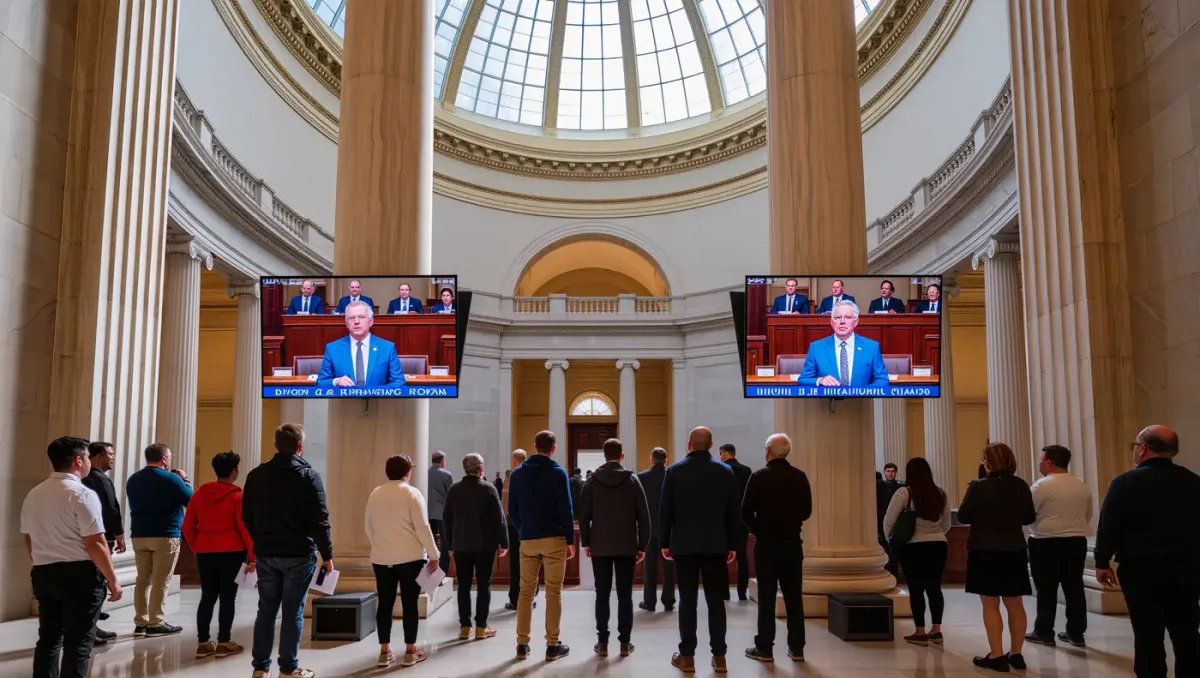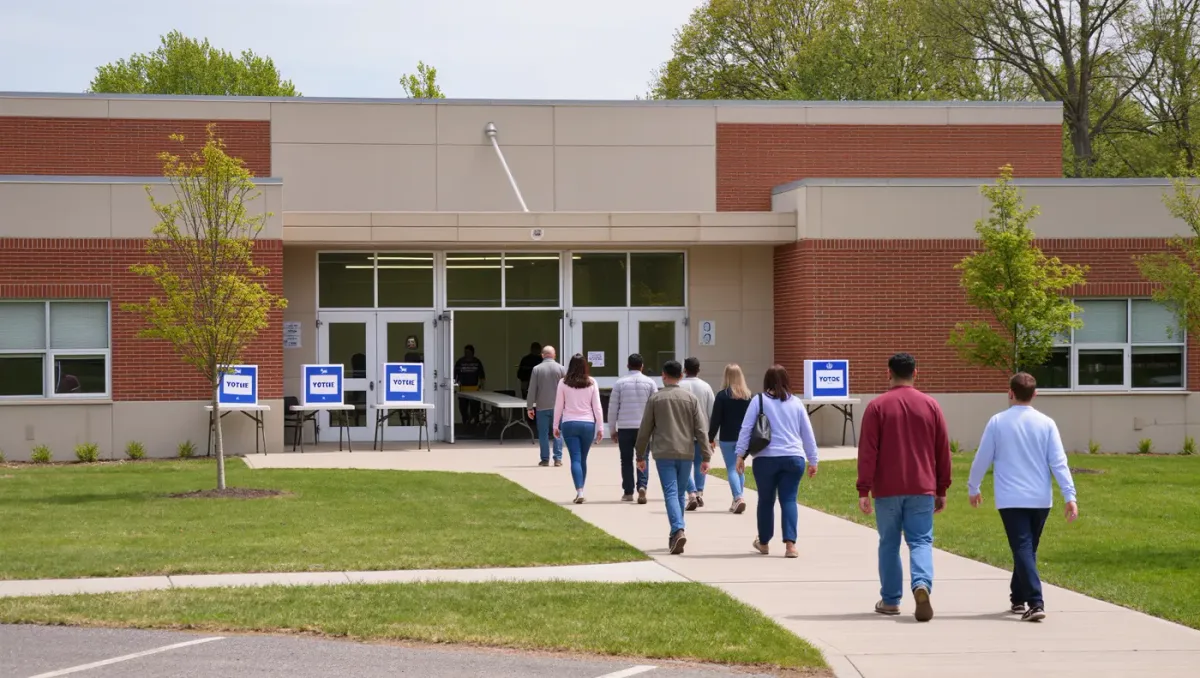
The Oklahoma Legislature's 2026 regular session was scheduled to run through Friday, May 29, per the State Chamber's session calendar, and it followed that calendar with unusual discipline. The heavy lifting — a $12.8 billion general appropriations bill signed April 16 — cleared the Capitol five weeks before adjournment, per Oklahoma Voice and KGOU.
For an election-year session, that is the story: all 101 House seats and half the Senate are up in November, and members left Oklahoma City with the budget done rather than bargaining through the June deadline. Note: this article publishes information, not legal advice.
What the session actually passed
- The FY2027 budget framework: a topline signed in April, with a teacher pay raise, increased health funding and mostly flat agency budgets
- Senate Bill 546, the state's first comprehensive data privacy law, signed March 20 with 2027 effective date and votes of 84-4 in the House and 38-7 in the Senate, per the Legislature's bill record
- A stream of policy measures that cleared in the compressed end-of-session calendar, where hundreds of bills move in the final two weeks
Why end-of-session weeks matter more than they look
Oklahoma's session architecture concentrates decisions in May. Bills that survived February committee deadlines and March floor votes in their chamber of origin had to cross over and repeat the process by April deadlines. That means most of what passed, passed in a two-week window with limited debate time — a structure that rewards whoever controls the calendar, and that voters rarely see from the outside.
What didn't get done
The open question from the session's final weeks is the tax package. Gov. Stitt pressed for a 0.25 percent personal income tax cut and full elimination of the grocery tax through the session; whether that cleared alongside the budget or stalled in revenue negotiations defines the session's fiscal legacy. Agencies requesting inflationary increases came away with flat budgets — a gap that shifts costs to counties, cities and fees.
How an election year shapes the record
Legislators running in November prefer short risk lists. Election-year sessions historically pass fewer divisive measures and more shared-credit ones — teacher pay, public safety funding, tax relief if the votes hold. The June 16 primary filings will tell voters soon enough which members are standing on this session's record; the November 3 general election will decide how long it serves them.
What to watch next
Veto decisions in the ten days after adjournment, as the governor reviews the final pile of bills; then the summer rulemaking that turns the privacy law and budget provisions into practice before the November election. Bills left behind do not die permanently — any member can prefile again for the 2027 session when the next filing window opens in January.