Operation SAFE, the Oklahoma Highway Patrol-led effort Gov. Kevin Stitt launched in September 2025 to clear homeless encampments from state-owned property, has run through Tulsa and expanded to Oklahoma City as of October 27, 2025, per the governor's office. By early 2026 it had displaced hundreds of people across Oklahoma municipalities, per Tulsa-based coverage from The Frontier, and an Oklahoma Watch review published January 15, 2026 examined whether the operation is truly state-led rather than city-led.
That distinction matters because it determines who pays and who answers for the outcomes.
What is Operation SAFE?
Announced September 4, 2025, the operation directed the Oklahoma Highway Patrol and partner state agencies to clear encampments on state right-of-way and other state property, starting along Tulsa corridors, per the governor's newsroom. People encountered were offered transportation to a shelter, per reporting collected by Oklahoma Watch and KGOU, with advocates questioning what else was offered.
Why the state-city boundary matters
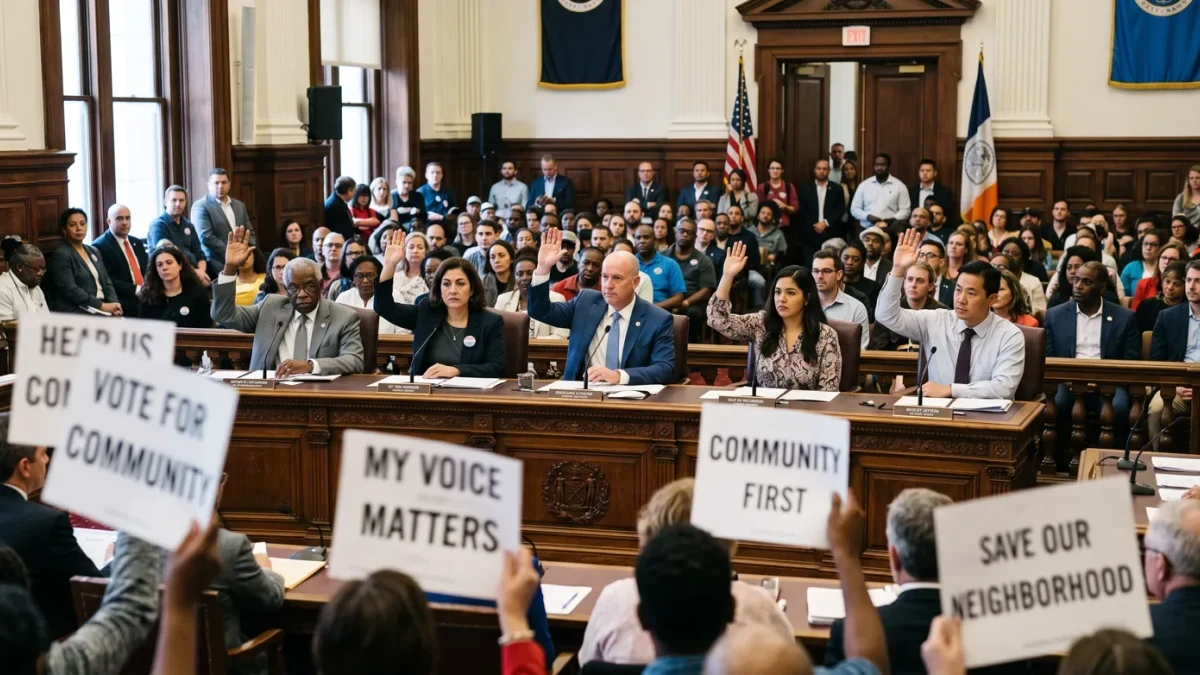
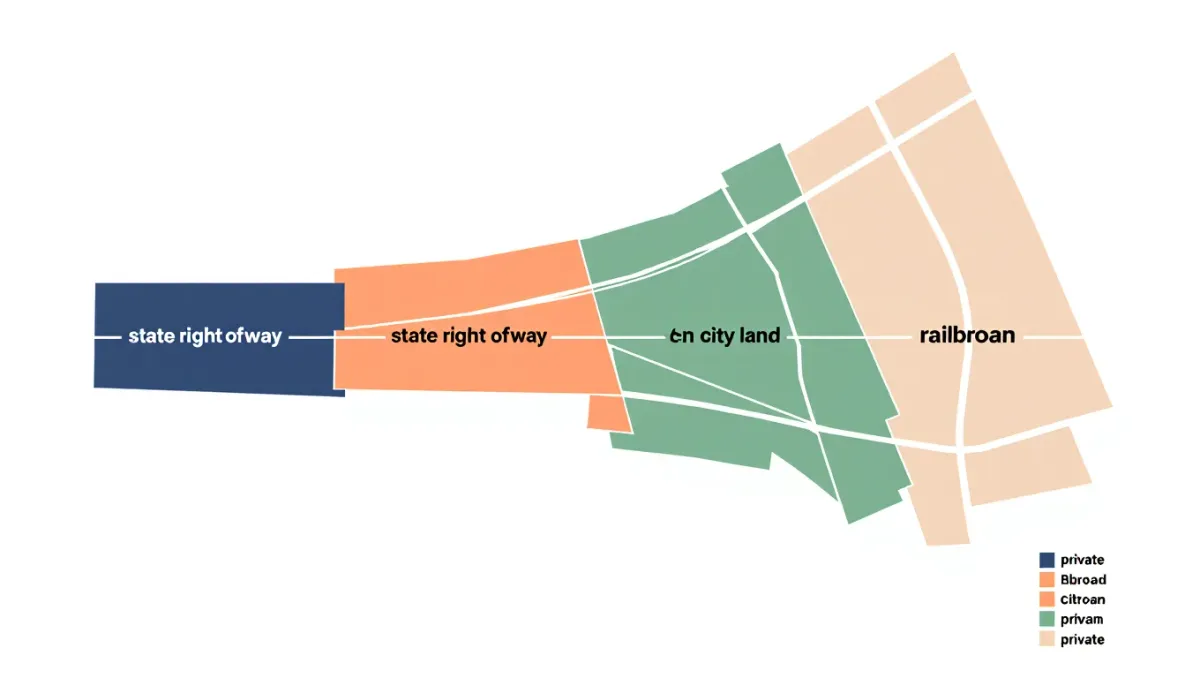
Encampments along Oklahoma City's and Tulsa's highway corridors often sit on land with overlapping ownership: state turnpike and highway right-of-way, city parks, railroad parcels and private lots. When a state agency clears a site, the state controls the operation; when a city does, municipal rules on notice, storage of personal property and outreach apply. Oklahoma Watch's January review found the line between the two has not always been clear to the cities involved, which is where the accountability question starts.
- Launched: September 4, 2025, in Tulsa, per the governor's office
- Expanded to Oklahoma City: October 27, 2025
- Reporting in 2026 documented hundreds displaced statewide, per The Frontier
- Legal aid groups have raised due-process questions about property handling
What it costs, and who bills whom
Neither the governor's office nor either city has published a full accounting of patrol hours, cleanup contracts or shelter costs tied to the operation. That gap is the practical side of the state-versus-city question: without a chargeable cost line, neither side can say whether the state is absorbing the expense or passing it down. Watch for a budget request or an interagency agreement, either of which would put numbers on the record.
Does clearing encampments reduce homelessness?
Research nationally is consistent that clearing a camp moves people rather than housing them; outcomes depend on what shelter, treatment or housing capacity exists on the other side. Oklahoma's shelter inventory in Tulsa and Oklahoma City is the binding constraint, and neither metro added beds at the pace the clearings proceeded in late 2025.
What to watch next
Two things will shape the second chapter. First, whether the Legislature puts money into shelter or housing capacity in the FY2027 budget it writes this spring. Second, whether any city formally objects to the operation's reach — a challenge that would force a court to sort out the state-city boundary in practice rather than in press releases.