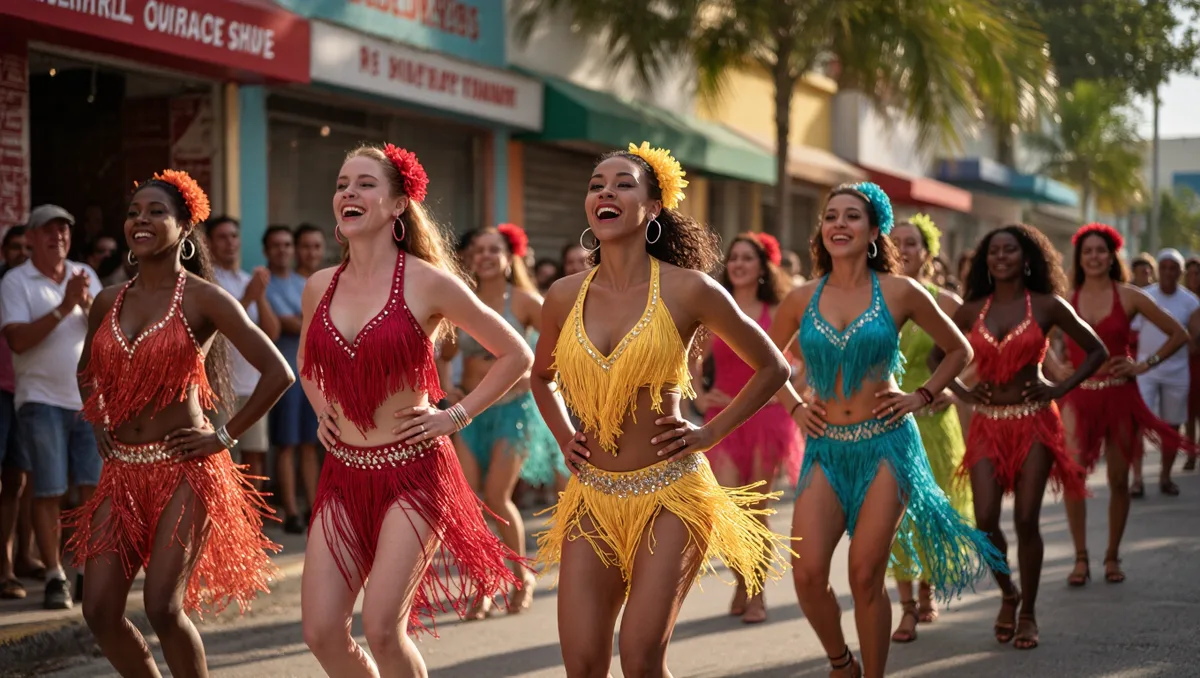
Tulsa International Mayfest will not run in its traditional early-May slot this year. Per the festival organization, the 2026 edition moves its main downtown event to May 29-30, deliberately timed to coincide with Tulsa's Route 66 centennial celebrations marking the highway's 1926 commissioning.
The 2026 format is also broader than a single weekend. Per the festival's published schedule, Mayfest programming runs across multiple dates and venues in May: Saturday activations beginning in early May, a Mother Road Market edition May 15-17, and the flagship downtown event closing out the month on May 29-30.
Why did the festival move?
The centennial is the stated reason. Route 66 was commissioned on November 11, 1926, and 2026 is the official 100th anniversary, with the Federal Highway Administration and state centennial commissions coordinating events along all eight highway states. Tulsa, whose 11th Street corridor was the road's main urban stretch in Oklahoma, has planned its heaviest centennial programming for late May, and the festival moved to sit inside that window rather than compete with it.
The trade-off is a holiday-weekend date. May 29-30 lands just before Memorial Day, which brings both an opportunity — out-of-town visitors already in town for the centennial weekend — and a challenge, since vendor load-in and volunteer schedules now overlap peak downtown traffic.
What does the expanded format look like?
Rather than one fenced-in downtown footprint, the 2026 edition is distributed. Per the festival organization, the month includes Saturday programming in May, a May 15-17 run at Mother Road Market on the city's east side, and the downtown centerpiece closing the month on May 29-30. The structure spreads vendor exposure across four weekends instead of three days, which changes the math for the artists and makers whose booth sales fund much of the festival's identity.
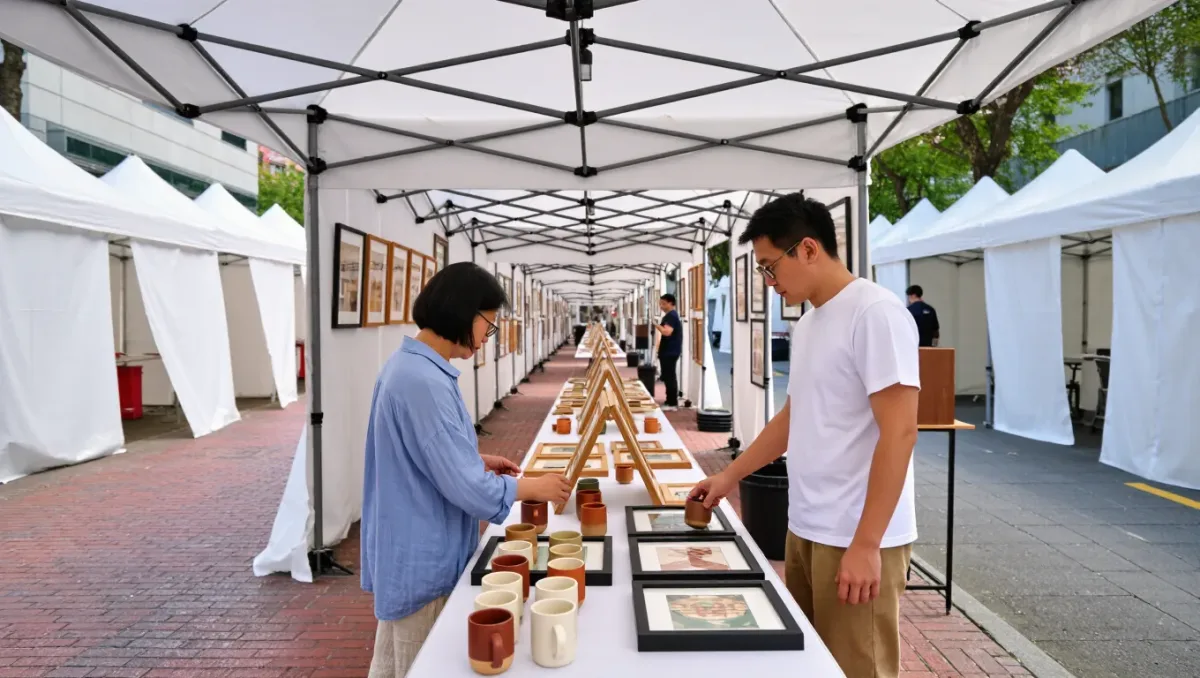
Mayfest, founded in 1977, has historically been a free downtown arts festival featuring roughly 100 artist booths, food row, live music stages, and a children's area, drawing tens of thousands of visitors to the blocks around downtown Tulsa each spring, per festival records.
What should attendees and vendors know?
For attendees, the practical changes are scheduling and parking. The downtown edition now overlaps the centennial weekend crowd, so transit, shuttles, and early arrival matter more than in a typical year; downtown street parking is metered on weekdays and free evenings and weekends in most of the central business district, per City of Tulsa parking rules.
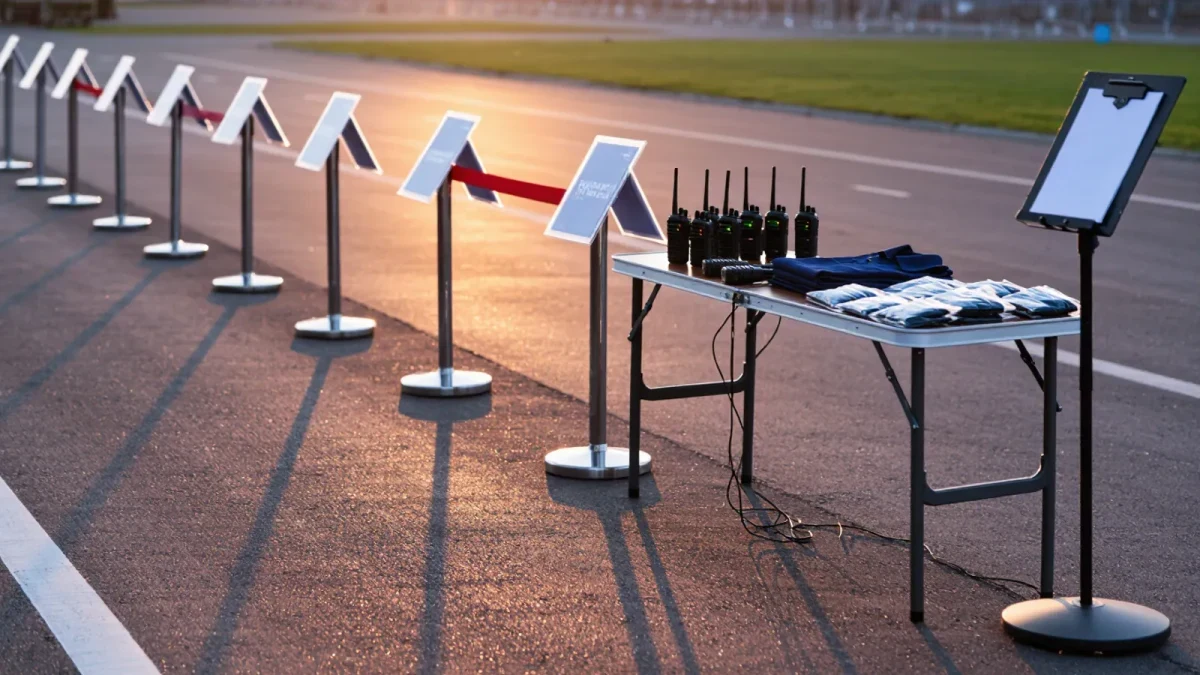
For artists and food vendors, applications and booth assignments were processed on the festival's normal winter timeline, with notifications ahead of the spring. Volunteers — the festival runs largely on them — sign up through the organization's site for specific dates and venues, and the multi-venue format creates more but shorter shifts than a single-weekend model.
How has Mayfest changed over the years?
The festival has reinvented itself repeatedly since 1977, when it began as a small downtown arts event. It has moved footprints downtown, weathered flood-year logistics on the river-adjacent blocks, added and retired stages, and rebuilt its artist program around a juried application process that keeps booth quality consistent. Through all of it, two constants have held: admission stays free, and the artist booths remain the festival’s center of gravity rather than an accessory to the music lineup.
The 2026 shift is the biggest structural change in recent memory, though, because it trades concentration for reach. A single-weekend festival concentrates all of downtown’s festival energy into 72 hours; a four-weekend, multi-venue season spreads the same identity across a month and borrows audiences at each site. For the organization, the trade is operational: more load-ins, more volunteer recruitment cycles, and more weather exposure, against a month-long marketing runway and centennial-year alignment.
It is also a test case. If the distributed format holds attendance and vendor revenue, the model gives Tulsa’s mid-size festivals a playbook for growing without outgrowing a single downtown footprint — a question every organizer in the city faces as the centennial year raises the ceiling on what the calendar can carry.
The practical read for attendees is simple: check the full May calendar rather than assuming one weekend, and expect the downtown edition to feel busier than a typical Mayfest Saturday because of the centennial crowds already booked into the holiday weekend.
What does it mean for downtown businesses?
Restaurants and retailers inside the festival footprint get a centennial-weekend customer base that a normal early-May Mayfest would not deliver: caravans and centennial events are expected to push corridor and downtown traffic throughout the holiday weekend. The offsetting risk is the calendar itself — late May competes with graduation travel and the unofficial start of summer, and an outdoor festival's attendance tracks weather first. The mid-month Mother Road Market edition partially hedges that risk by spreading exposure across multiple weekends.
For the centennial planners, the festival gives the Route 66 weekend a daytime family anchor downtown, complementing car-centric programming along the corridor.
What to watch next
Watch the festival's final schedule release as the downtown dates approach — stage lineups and booth maps are typically published in the weeks before the event — and watch centennial weekend announcements from the city, since the two calendars now share May 29-30. Weather will decide whether the moved date pays off; the festival has run in rain before, but a holiday-weekend storm would test whether the new format's spread across four weekends can absorb what a single-weekend event could not.