Route 66 was commissioned on November 11, 1926, which makes 2026 the highway's official centennial year, and Tulsa enters it with more claim to the road than almost any city on the map. The highway ran 2,448 miles from Chicago to Santa Monica, and Oklahoma carries roughly 400 miles of it — more than any other state, per the Oklahoma Historical Society. Tulsa businessman Cyrus Avery, the man now called the Father of Route 66, pushed the route through his city and made 11th Street its home.
The centennial is not a single weekend. It is a year-long slate of caravans, museum openings, corridor improvements, and roadside anniversaries, and most of it is free to attend. Here is what the Tulsa stretch has on the calendar and how to plan around it.
Why does Tulsa anchor the centennial?
Avery's role is the foundation. As a Tulsa county commissioner and later a highway commissioner, he championed the Chicago-to-Los Angeles routing through Oklahoma, and the city's 11th Street corridor became the primary urban stretch of the highway in the state. The Cyrus Avery Centennial Plaza, at the foot of the 11th Street bridge along the Arkansas River, commemorates that role with the East Meets West sculpture — a Model T facing a horse-drawn wagon.
The corridor still carries working attractions: Buck Atom's Cosmic Curios on 11th Street, the Meadow Gold sign restored on a dedicated corner downtown, and the Route 66 Historical Village with its towering oil derrick and mural wall west of the river. Each of them was built or restored specifically to hold centennial-year traffic.
What is on the 2026 centennial calendar?
The national frame is set by the Route 66 Centennial Commission, created by Congress in 2020 to coordinate the anniversary across the eight highway states, per the Federal Highway Administration. Within that frame, Oklahoma's centennial commission has funded corridor projects and event grants through 2025 and into 2026, per the Oklahoma Route 66 Centennial Commission.
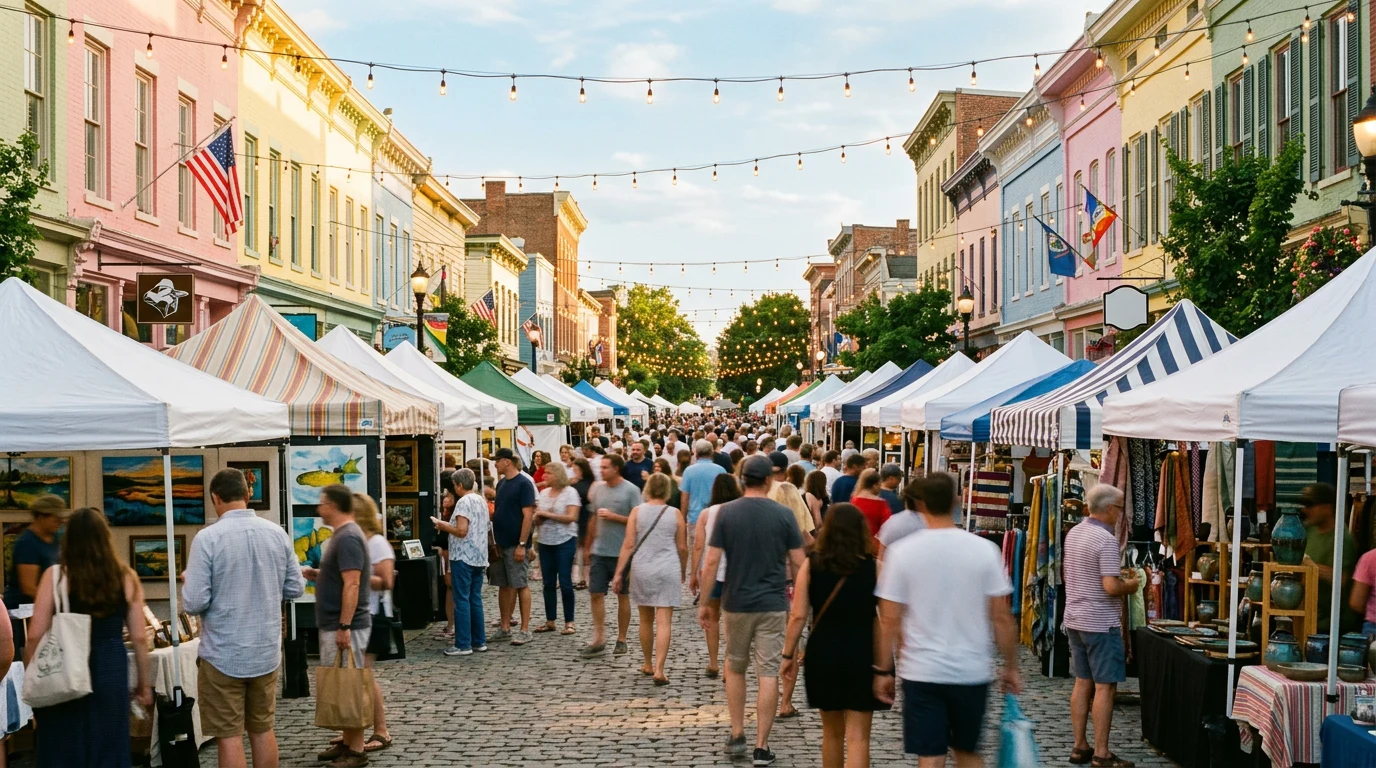
For Tulsa specifically, the year stacks three kinds of dates. First, legacy events with centennial branding: Mayfest moved its downtown edition to May 29-30 to coincide with the celebration, and Mother's Day weekends along the corridor — the traditional season for Blue Whale visits in Catoosa — are expected to run heavier than usual. Second, car culture: classic-car caravans traveling the full route from Chicago pass through Tulsa in late spring and again in fall, and their stops at the plaza and the village are public. Third, ribbon cuttings: corridor streetscape work along 11th Street, funded partly with centennial grant money, lands throughout the year.
Which roadside stops matter most?
The Blue Whale of Catoosa, built by Hugh Davis in the early 1970s as an anniversary gift to his wife, remains the corridor's most photographed stop and sits about 15 minutes east of downtown. In town, Buck Atom's — a 2019-built souvenir stand styled as a midcentury gas station with a towering space cowboy out front — draws the Instagram crowd. The Center of the Universe downtown, an acoustic anomaly on the Boston Avenue bridge, is technically not on the highway but sits minutes from it and anchors most walking itineraries.
East of the city, the town of Catoosa is also home to the corridor's hardest-working piece of infrastructure, the Port of Catoosa, a reminder that the road's freight economy has a river sibling. West of downtown, the Route 66 Historical Village grounds the corridor's oil-boom story.
How should visitors plan a centennial trip?
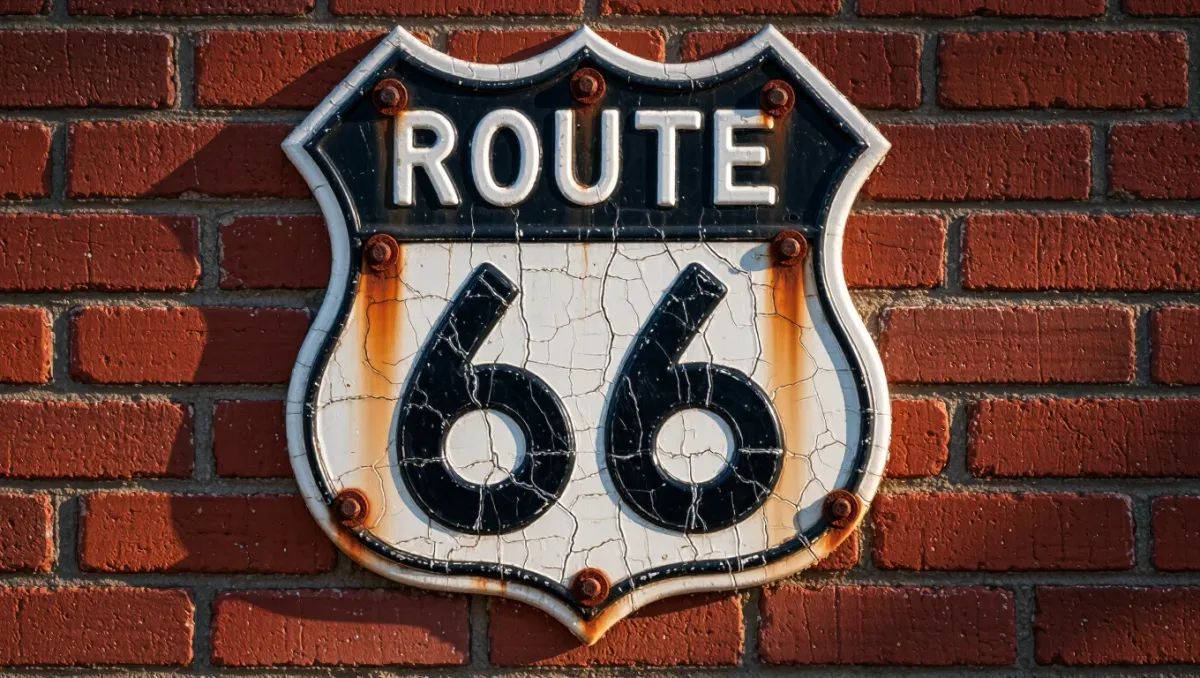
Two mechanics matter. Timing: weekends between May and October will carry the heaviest traffic, and the late-May centennial weekends are the peak — book lodging weeks ahead for those. Routing: the highway through Tulsa is a working street grid, not a preserved parkway, so navigation apps will try to move drivers onto highways; travelers who want the actual 1926-1960s alignments should follow the brown-and-white Route 66 signage and the state's official corridor maps instead.
Most attractions are free, outdoor, and photo-first, which makes the corridor unusually rainy-day-proof: a slow drive from the plaza east to the Blue Whale takes under an hour without stops and a full afternoon with them.
What does the centennial mean for corridor businesses?
The anniversary is also a small-business story. The 11th Street corridor has added new tourism-facing tenants every year since the restoration wave began — neon-sign workshops, retro motels rebranding on their midcentury histories, and coffee shops trading on the road’s iconography. Centennial grant programs administered through the state have put matching money into facade work, signage, and event programming along the route, per the Oklahoma Route 66 Centennial Commission.
For operators, the practical math is foot traffic: international Route 66 travelers, who historically made up a meaningful share of corridor visitors per tourism-board surveys, plan trips years ahead around milestone years. A centennial stamp or a centennial-branded menu item costs little and captures visitors who are collecting the year, not just the miles. Motels along the corridor report advance bookings concentrating on the late-May and September weekends, per standard travel-industry patterns for anniversary travel.
The city’s own investments compound the effect. Streetscape work, new wayfinding signage, and the restored neon along 11th Street all raise the corridor’s baseline walkability, which is what turns a drive-through route into a stay-over destination.
What to watch next
Watch for the full centennial event slate to firm up as spring approaches, for streetscape milestones along 11th Street to hit ribbon-cutting stage, and for caravan dates — the cross-country groups publish their Tulsa stop times in advance. Anyone planning a May visit should lock lodging before the festival calendar closes the market.