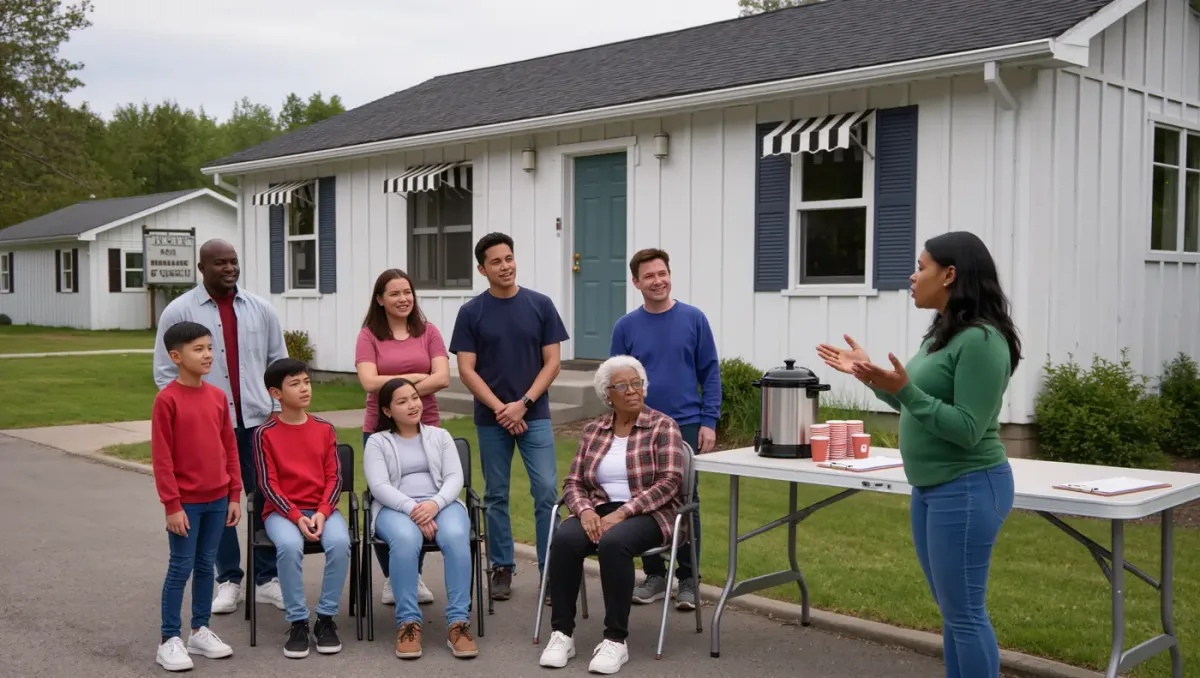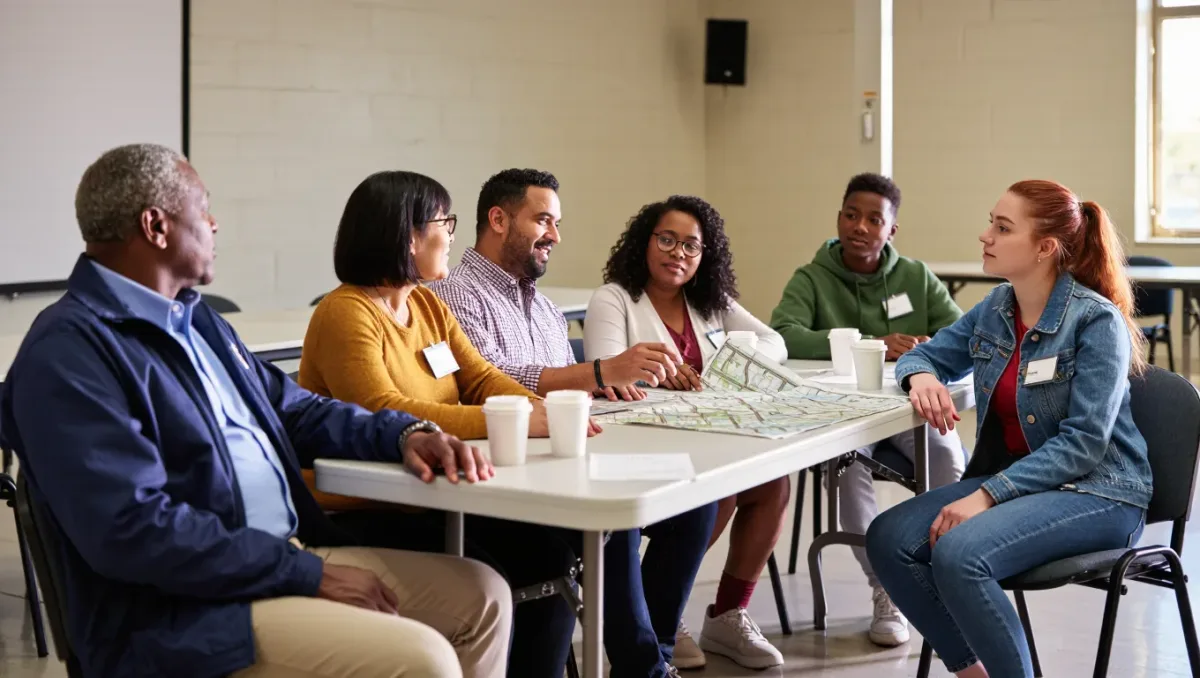
Tulsa has more than 100 recognized neighborhood associations, and most of them run on a simple engine: a monthly meeting, a handful of volunteers and a direct line into City Hall through the city's Working in Neighborhoods department. If you have ever wondered who organizes that cleanup on your street or who shows up at the microphone when a rezoning case lands on the Tulsa Metropolitan Area Planning Commission agenda, the answer is usually your neighborhood association — and joining takes less effort than most residents expect.
This guide explains what these groups do, how to find the one that covers your address, and what to do if your block has no association at all.
What does a neighborhood association actually do?
Despite the name, an association is not a homeowners association with dues and enforceable covenants. In Tulsa, a neighborhood association is a volunteer nonprofit or informal civic group that represents residents of a defined area — anything from a 1920s addition like Florence Park or Tracy Park to a broader district in north or east Tulsa. Their work falls into four buckets.
- Zoning and development review. Associations are notified of rezoning, special exception and plat cases in their boundaries and can take a position before the Planning Commission and the Tulsa City Council.
- Infrastructure requests. Street lighting, stop signs, sidewalk repairs, alley grading and traffic calming all move faster when a single organized voice submits the request through the city's service systems rather than twenty separate complaints.
- Beautification and safety projects. Cleanups, tree plantings, National Night Out events and neighborhood watch coordination are the visible output of most associations.
- Grant projects. Many groups compete for city and philanthropic funding for improvements such as entryway signs, park equipment and lighting upgrades.
The City of Tulsa formalized this relationship decades ago: associations that register with the city receive notice of cases and projects affecting their boundaries, which is the single biggest practical benefit of being organized.
How do you find the association for your address?
The fastest route is the city's neighborhood inventory. The Working in Neighborhoods office maintains contact information for registered associations, and a call or email with your street address will get you the name of the group that covers your block. Tulsa's strong tradition of neighborhood identity helps here — associations in midtown additions, north Tulsa neighborhoods and eastside subdivisions tend to be listed by the plat name that already appears on your mail or in county records.
Once you have the name, look for the group's meeting schedule. Most associations meet monthly on a fixed weeknight, commonly at a school, library branch or church within the neighborhood. Meetings are open to any resident of the area, not just members, and dues — where they exist — typically run from nothing to about twenty dollars a year. Showing up twice is usually all it takes to be considered part of the core group in smaller associations.
What happens at a typical meeting?
Expect a short agenda: a report from the neighborhood's Tulsa Police officer or the Crime Prevention Network liaison, updates on city service requests, and whatever development case is pending in the boundaries. Developers and their agents frequently present projects to associations before filing, because a supportive or neutral association letter carries weight with the Planning Commission. This is the meeting where residents can ask a builder about traffic, drainage or fencing before the plans are final — influence that is effectively unavailable after the vote.
Associations also hold annual officer elections, usually in the fall, and a few host larger traditions: home tours in historic districts, garden walks, and holiday events in December. Those events double as fundraising for the association's modest operating budget.
What if your neighborhood has no association?
Gaps exist, especially in areas where rental turnover is high or where the plat names are unfamiliar. Starting one is less bureaucratic than it sounds. The practical steps used by groups across the city:
- Define boundaries. Use plat lines, major streets or school attendance boundaries so the city can map notices correctly.
- Hold an organizing meeting. A library meeting room or school cafeteria works; advertise with door hangers, a social media group and signage.
- Adopt basic bylaws and elect officers. President, vice president, secretary and treasurer are enough. The city provides templates and guidance to new groups.
- Register with the city. Submit contact information to Working in Neighborhoods so the association enters the notice cycle for cases and projects.
New groups do not need nonprofit status on day one. Many operate for years as unincorporated associations, opening a small bank account once dues accumulate.
Why does this matter for Tulsa right now?
The city is in one of its busiest development cycles in decades, with public and private investment reshaping downtown, the riverfront and corridor districts. Neighborhood associations are the mechanism through which ordinary residents get a formal say in how that growth touches their streets — from infill housing design to stormwater projects. Groups that show up with five engaged residents consistently get better outcomes than blocks that rely on scattered complaints.
What to watch next: the city's annual neighborhood conference, typically held in the first half of the year, is the natural on-ramp for new leaders, and association elections in the fall are the moment to step into a role. If you want influence over what your street looks like in five years, the calendar, not the council chamber, is where it starts.