Tulsa's second bus rapid transit line will not ride the Route 66 centennial. The Route 66 AERO BRT — planned as the city's fast, frequent second corridor after the Peoria Aero line — has been delayed past the 2026 centennial by a combination of funding shortages and supply-chain problems, per Tulsa Flyer's February 2026 report on the project's troubles.
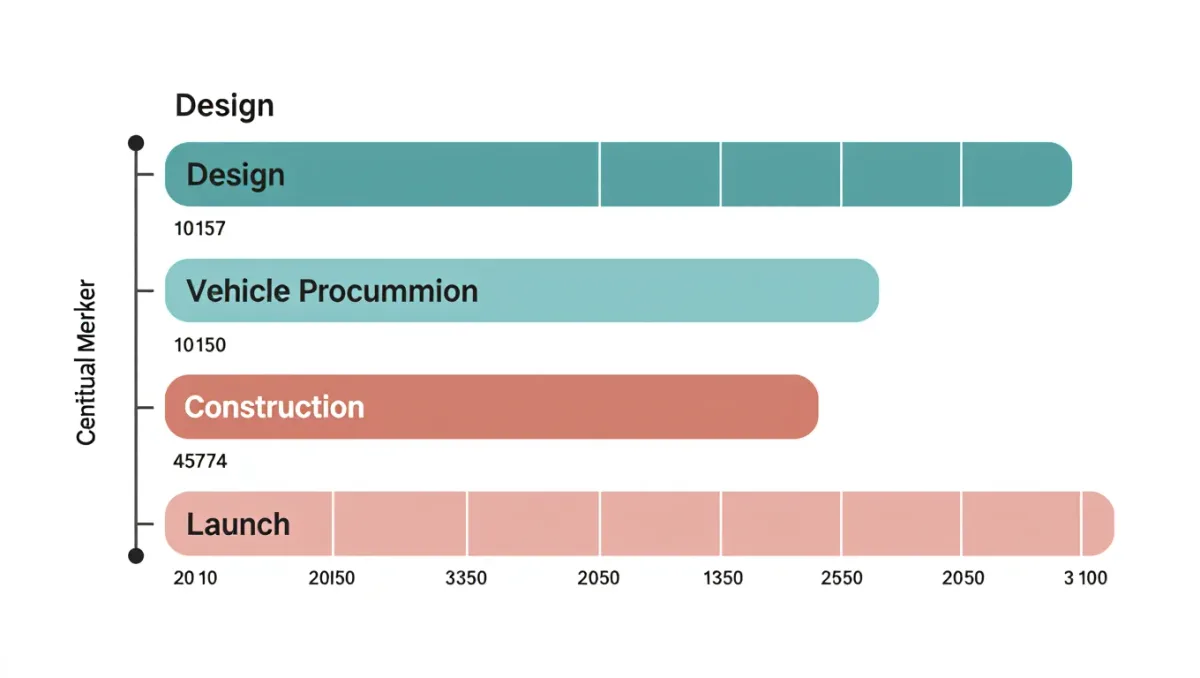
The line was pitched in earlier city planning as a 2026-window project timed to the highway's 100th birthday, one of the marquee transit pieces in Tulsa's Route 66 investment story. It now joins a longer queue: design, vehicle procurement and construction schedules have all slipped, per the report, even as Tulsa Transit continues operating its first BRT corridor on Peoria. Note: this article publishes information, not transportation advice.
What is the Route 66 AERO BRT?
Bus rapid transit borrows the mechanics of light rail — frequent service, level boarding, branded stations, dedicated or priority lanes — without the rail. Tulsa's first Aero line on Peoria Avenue launched in 2021 as the city's proof of concept; the Route 66 corridor would run along the historic highway's Tulsa alignment, serving attractions, neighborhoods and the centennial-driven redevelopment along 11th Street and Southwest Boulevard, per the Tulsa Planning Office's project page.
- Corridor: Route 66 alignment through Tulsa, per Tulsa Planning Office
- Status as of early 2026: delayed past the centennial year, per Tulsa Flyer
- Causes: funding shortfalls plus supply-chain delays on vehicles and infrastructure
- Related: a public open house on the Aero BRT was scheduled for April 2026, per MetroLink Tulsa's events calendar
Why BRT projects slip
The pattern is national. Post-2020 vehicle ordering backlogs stretched bus deliveries by years, and federal transit grants that cities chased during the infrastructure-law era arrived on reimbursement schedules that strain local capital budgets. Tulsa's fix, visible in the project calendar, is staging: design and outreach continue while the big-ticket items wait on funding cycles.
For riders the delay has a practical shape: the corridors the BRT would serve continue on regular-frequency local routes, which run less often and board slower than the Aero standard.
What the centennial loses — and keeps
The centennial year still delivers Route 66 investment through other channels: downtown and corridor redevelopment, event traffic and the visitor economy. What slipped is the permanent infrastructure piece — the stations and frequent service that would have outlasted the birthday. Transit advocates argue that makes the delayed line more valuable, not less, when it arrives after the celebration traffic fades.
What to watch next
MetroLink Tulsa's spring open house on the corridor, and the city's capital budget decisions — the FY2026-27 budget the mayor proposed in April is where local match dollars would appear. A funding line item there is the earliest reliable signal of a revised opening date.