Natural gas heats most Tulsa homes, and the people who keep it flowing — utility service technicians, HVAC installers who commission gas furnaces, and the pipeline and measurement hands who move the fuel — form one of the metro's steadiest trade clusters. Median pay for heating and cooling technicians nationally ran around $51,000 in the Bureau of Labor Statistics' most recent full survey, but Oklahoma's energy density pushes working techs past that median: utility crews, experienced HVAC mechanics and pipeline technicians in the Tulsa region commonly out-earn the national benchmark, and the utility sector's pension-style benefits still exist in a labor market where they have mostly vanished.
Here is what the trade cluster looks like, what each path pays and requires, and where Tulsa trains for it.
What does a gas utility technician do?
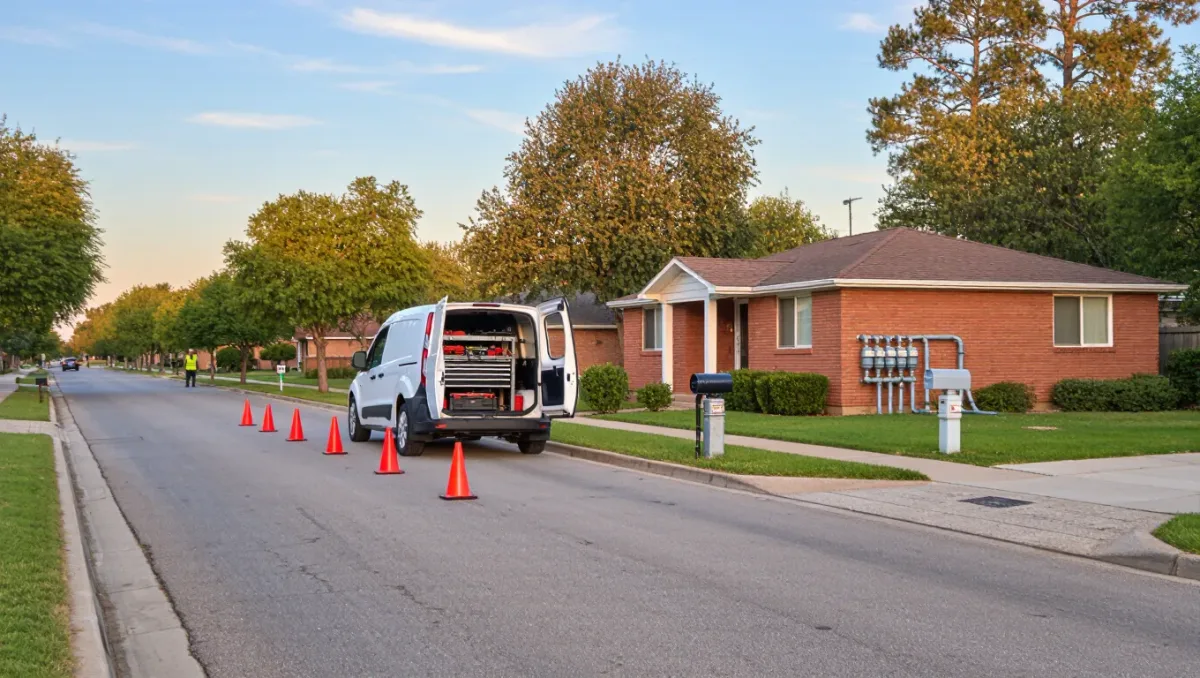
Oklahoma Natural Gas, the state's largest gas utility, operates from Tulsa and employs the technicians most residents actually meet: the service tech who lights a furnace in October, the leak-response crew that answers a 911 transfer, the pipeline hands who maintain distribution mains and the measurement-and-regulation specialists who run the stations where high-pressure gas steps down into neighborhood lines. The work is licensed and drilled — operator qualification rules under federal pipeline safety law require documented, tested competence for every task on a gas system — which is why utilities hire into structured apprenticeships rather than expecting finished technicians.
The career ladder is explicit. Entry techs rotate through leak survey, service and construction crews; journeyman-level techs handle emergency response and pressure work; and the path continues into supervision, compliance and operations management. The utility's hourly scale plus overtime, with benefits and a pension system, makes it one of the strongest total-compensation packages available without a degree in eastern Oklahoma.
What about HVAC and the private side?
The private-sector gas trades run through heating and air: installing and servicing the gas furnaces, boilers and rooftop units that heat Tulsa's homes and commercial strips. Oklahoma regulates this trade differently from many states — the state licenses plumbing and electrical but has historically left mechanical licensing largely local, so quality signals come from certifications like NATE, manufacturer training and the contractor's own warranties. That lighter regulatory frame means the trade is accessible: Tulsa Tech's HVAC programs, community college certificates and manufacturer courses can move a newcomer from enrollment to a paid apprenticeship inside a year.
The market rewards it. Every gas furnace, water heater and commercial kitchen in the metro generates service work, the electrification debate has added heat-pump and hybrid-system skills to the trade, and Oklahoma's summer AC load guarantees the service vans roll year-round — heating work in winter, cooling work in summer, with the shoulder seasons for installs.
Where do pipeline careers fit?
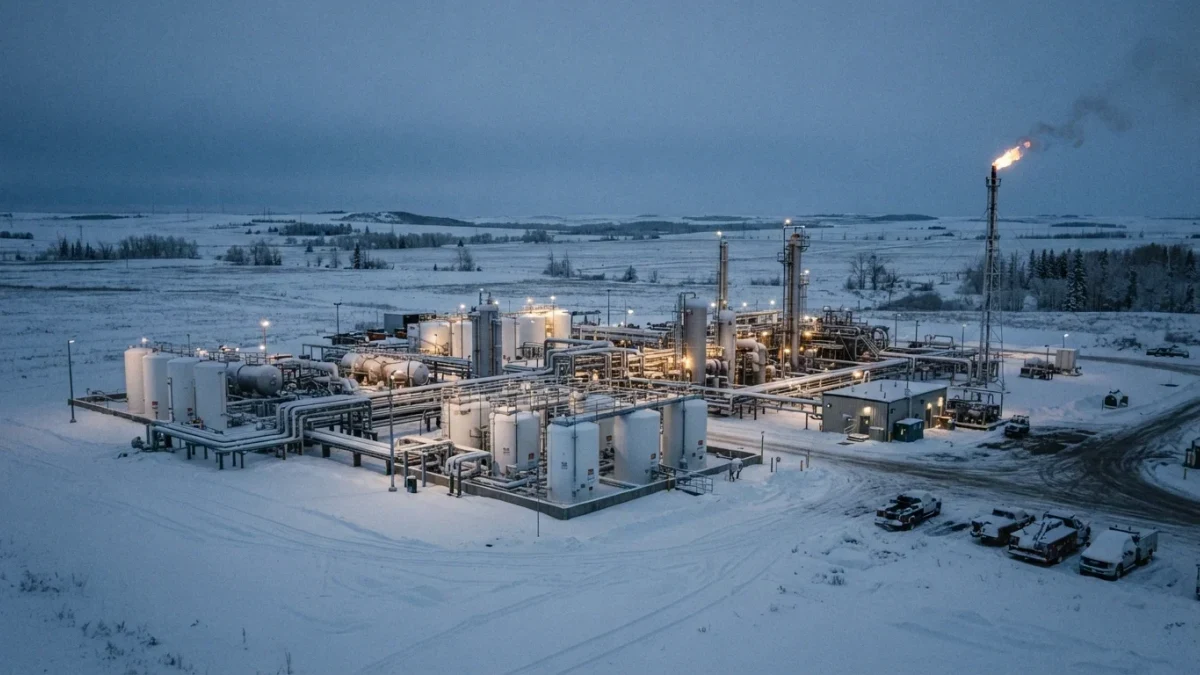
Behind the distribution utility sits the transmission and midstream layer — and Tulsa is one of the country's headquarters cities for it. Pipeline technicians, integrity crews, compressor station operators and measurement specialists work for the midstream operators and contractors that run gas through Oklahoma and beyond, frequently with schedules that mix local work with travel to facility sites. The same operator-qualification framework governs the work, and midstream pay typically exceeds distribution pay because the systems run higher pressure and the crews cover wider geography.
The trade cluster's depth is the point for Tulsa's economy: a gas technician displaced from one employer can carry certifications across the utility, contractor and midstream employers in the same metro — a mobility that keeps the region's energy trades employed through cycles that whipsaw the drilling side of the industry.
What the money actually looks like
Wage ladders in the trades are public if you know where to read them. Utility apprentice scales step annually; journeyman service techs at an Oklahoma utility, with overtime and callout pay, land well into the $70,000s and above in strong years; experienced HVAC mechanics at established Tulsa contractors earn commissions on installs and diagnostics that push earnings past flat hourly equivalents; and midstream facility technicians, who trade some schedule flexibility for higher base pay, sit at the top of the technician band. Add the sector's differentiator — defined-benefit and deferred retirement plans still common at utilities — and the total-compensation gap versus comparable private-sector work widens further.
The costs side is the other half of the pitch. Training at Tulsa Tech and the community colleges runs to thousands of dollars, not tens of thousands, and employer tuition arrangements — the contractor that pays for certification nights — are common enough to be the norm rather than the exception. Against a four-year degree's debt load, a tech who finishes an apprenticeship at 22 with no student debt and a journeyman card has a balance sheet most college graduates would trade for.
How do you start?
Three doors, in order of speed. Tulsa Tech's HVAC and related programs train adults as well as high schoolers, with evening formats for career changers. Tulsa Community College's certificate tracks pair coursework with the general education credits that later convert into management degrees. And direct utility hiring — Oklahoma Natural Gas posts apprentice service technician openings when classes fill — pays from the first week with all training provided, the oldest and still the most reliable route into the gas trades.
What to watch next: federal pipeline safety rules continue to tighten operator-qualification requirements, which raises the value of documented certifications, and Tulsa's utility rate cases — where infrastructure spending gets approved — are the quiet signal for future hiring. For a worker deciding in 2026, the honest summary is that the gas trades offer Tulsa's most under-priced career: steady demand, portable skills, and a training cost measured in months rather than years.