Tulsa Public Schools is facing a formal recommendation to close or consolidate campuses, per a June 1, 2026 report from Tulsa Flyer, as the district continues to grapple with shrinking enrollment and the funding consequences that follow it.
The recommendation moves the district's facilities conversation from abstract to concrete: named buildings, displaced students and a decision calendar that will run through the summer, with families at affected schools learning whether their campus has a future under the current enrollment trajectory. Note: this article publishes information, not educational advice; the district's formal proposal and board votes govern what actually happens.
Why Tulsa schools are on the closure path
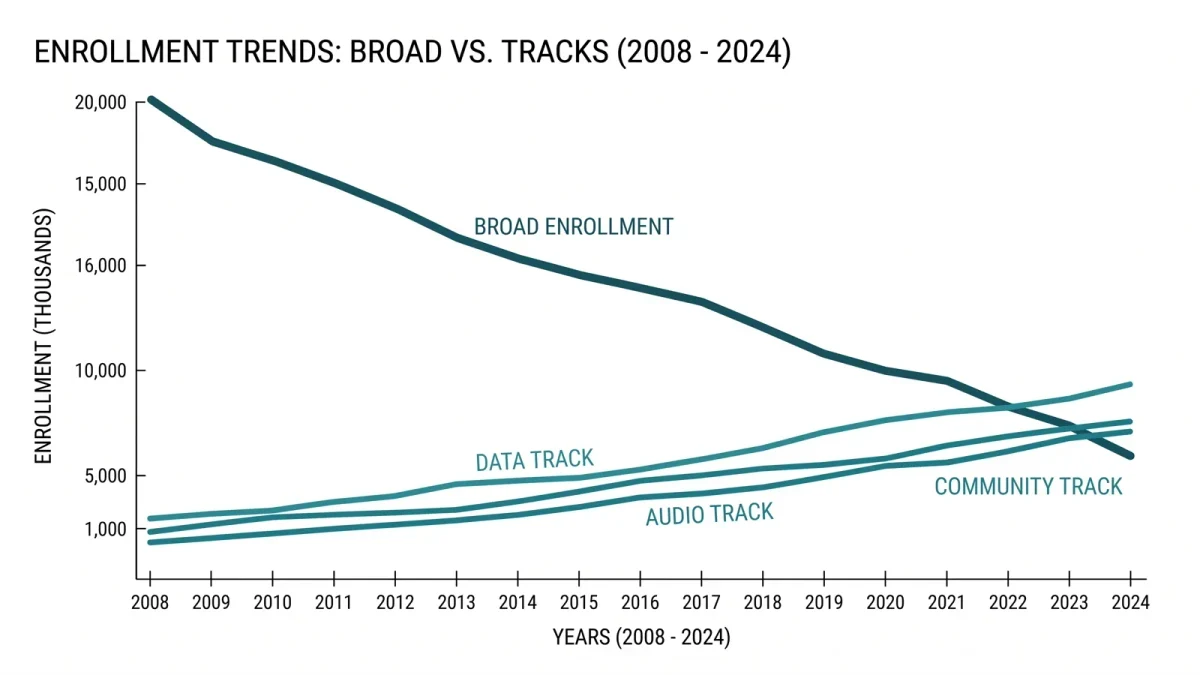
The arithmetic has been pointing here for a decade. TPS has lost students steadily to suburban districts, charters and private options, and Oklahoma funds districts on a per-pupil formula — fewer students means less money even as fixed costs for buildings, utilities and staffing hold. A district operating under-capacity buildings pays to heat, guard and maintain half-empty campuses while classroom funding tightens.
- June 1, 2026: recommendation to close or consolidate campuses, per Tulsa Flyer
- Driver: long-term enrollment decline and funding pressure
- Complication: the district's 2026-27 enrollment window opened in January and drew heavy application volume, per local reporting
- Decision path: school board action, with community input before any closure takes effect
What consolidation actually decides
Closure recommendations in Tulsa carry geography that makes them more than facilities math. Schools proposed for closure tend to sit in north and east Tulsa neighborhoods where population has declined most, and consolidation means longer rides for elementary students and the loss of walkable schools in neighborhoods that have already lost grocery stores and clinics. That is why Tulsa's past consolidation rounds produced community fights as much as budget savings.
The counterweight is the enrollment signal: TPS reported strong application volume for 2026-27, and a successful recruiting year could change which schools can be saved. A district cannot keep buildings open on applications alone, but the difference between a campus at 60 percent of capacity and one at 85 percent is exactly what consolidation models measure.
How the process works from here
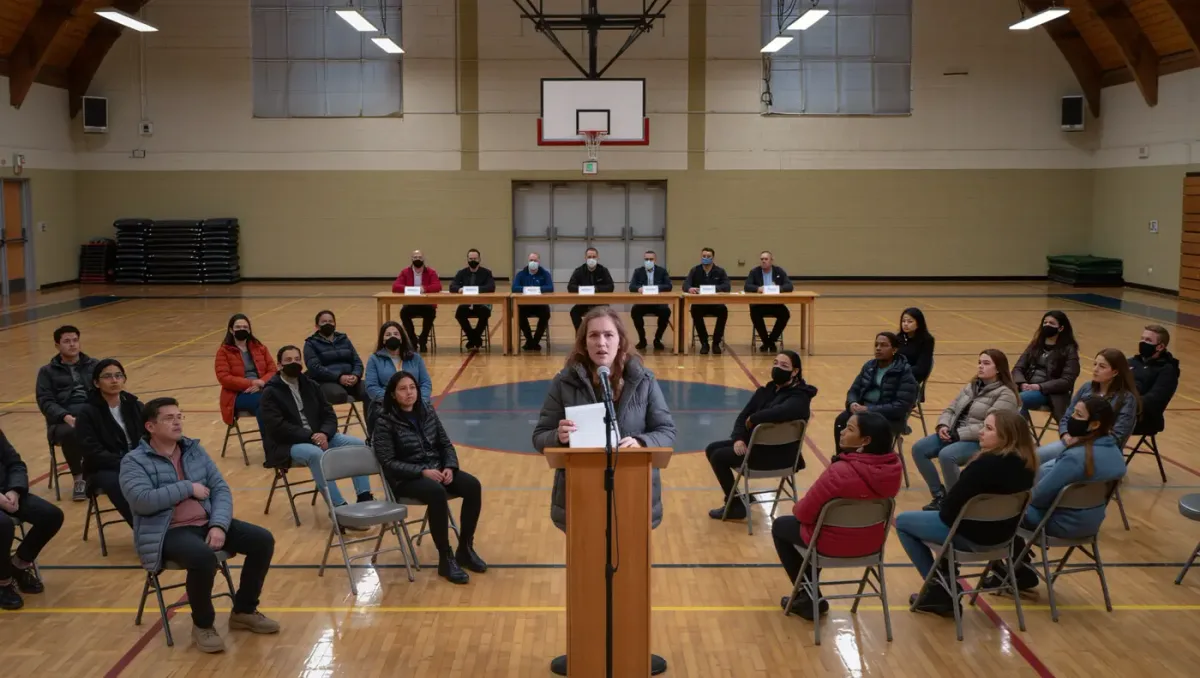
The superintendent's recommendation goes to the Board of Education, which must vote to close or consolidate — a board cannot close a school by silence. State law requires public notice and hearing opportunities before boundaries change, and Tulsa's board has historically held community meetings at affected campuses before final votes. Families at named schools should track the board's posted agendas and enrollment-transfer options.
What to watch next
The board's summer meeting calendar and any published list of affected campuses, then October's state headcount — the enrollment number that will either validate the closures or hand consolidation critics their strongest argument. Both land before the 2027-28 school year that any closure would take effect in.