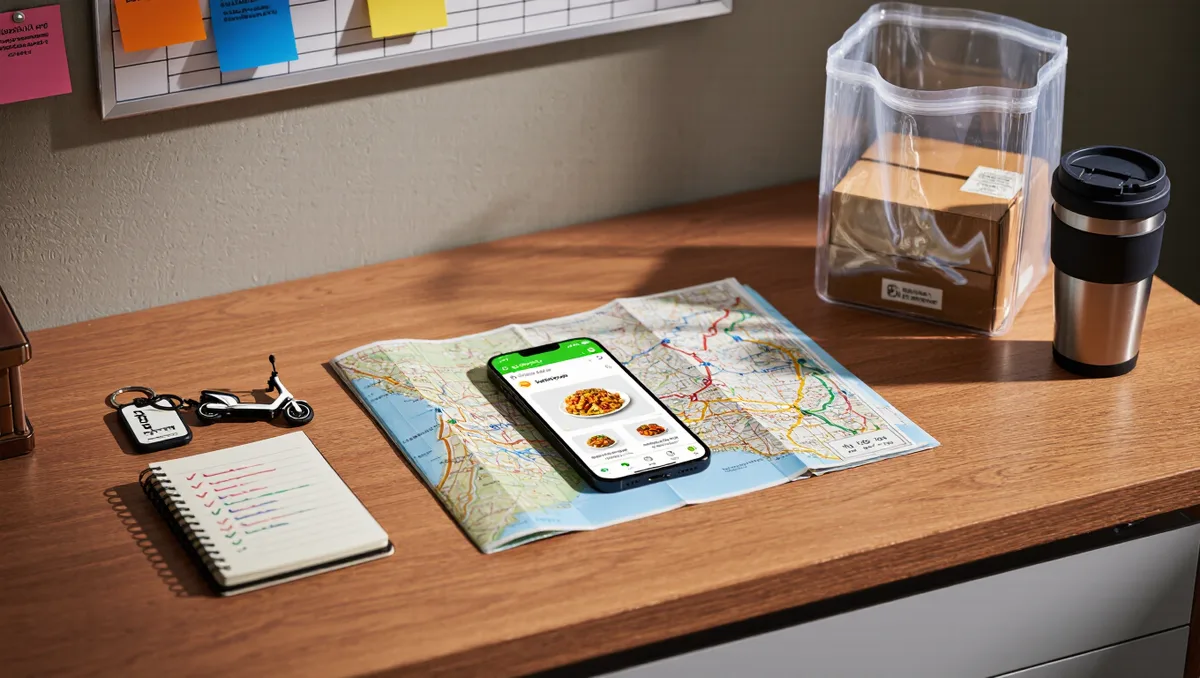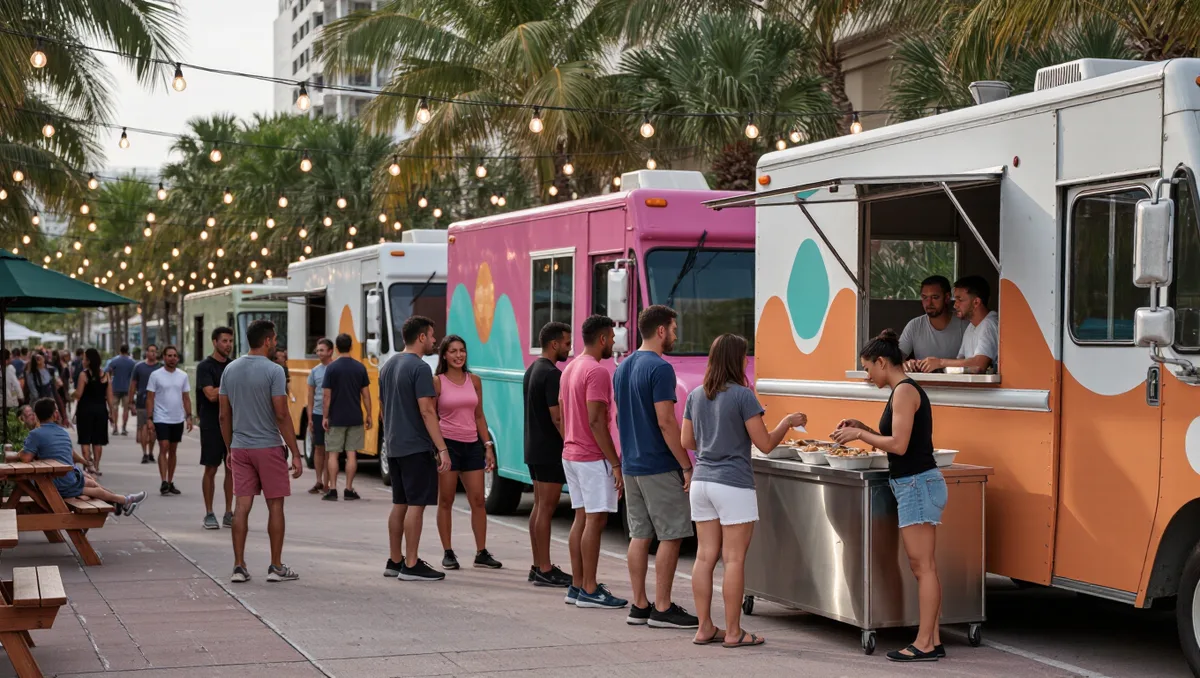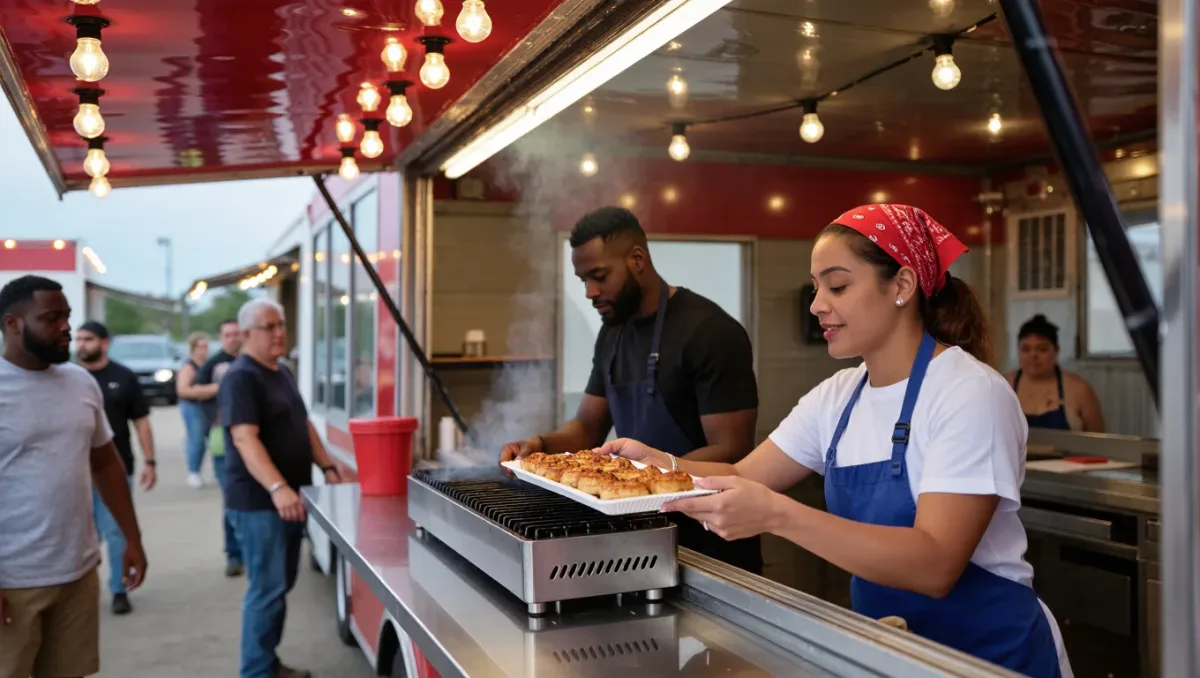
A Tulsa food truck is a restaurant with a smaller box and a moveable front door, and its economics run on three fixed costs every operator prices before the first sale: the mobile food unit license through the Tulsa Health Department, a licensed commissary kitchen where the truck preps and dumps, and the locations — downtown lunches, brewery patios, festival pads — that determine whether the day produces revenue or just mileage. Tulsa's scene matured around institutions like Mother Road Market, the Kendall-Whittier food hall whose rotating vendor model gave food entrepreneurs a brick-and-mortar proving ground, and the trucks that graduate from its counters now anchor lunch rushes and festival rows across the metro.
Here is the business as operators actually run it: the permit stack, the cost structure, and the site decisions that separate profitable trucks from expensive hobbies.
What permits does a Tulsa food truck need?
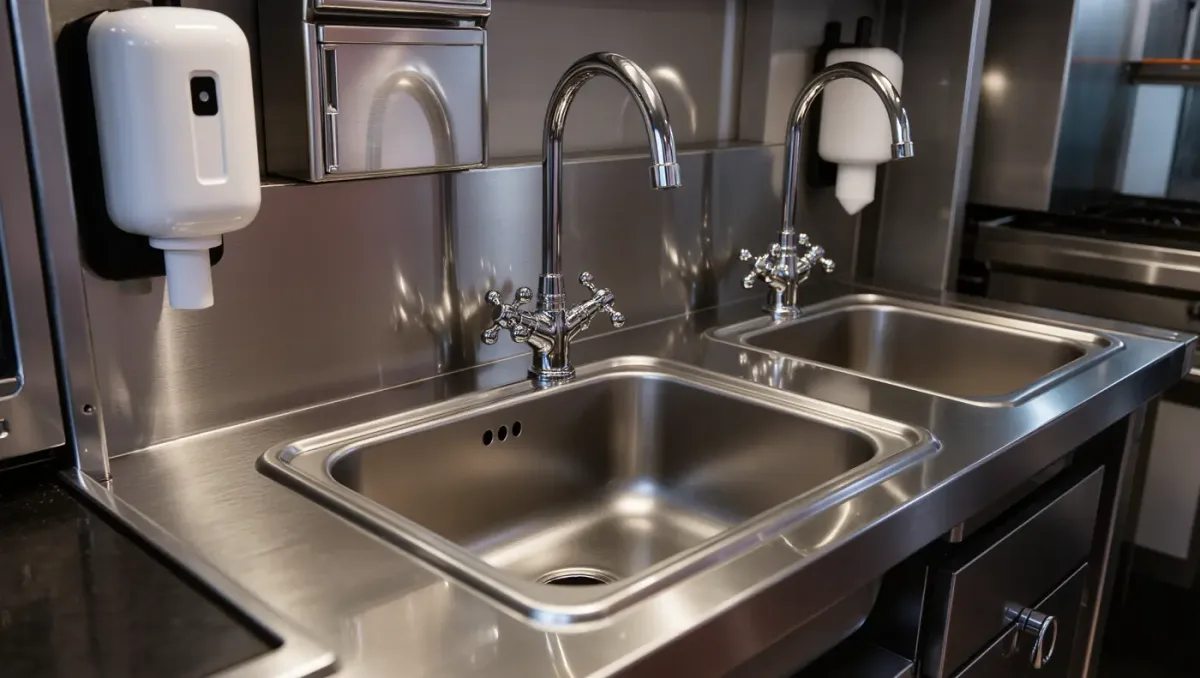
The health license is the spine. The Tulsa Health Department permits mobile food units as licensed food establishments: the plan review covers the truck's equipment — handwash sink, three-compartment sink, refrigeration, cooking surfaces and fire suppression — and the annual or seasonal license ties the unit to a commissary, the licensed kitchen where food is prepped, stored and where the truck disposes of wastewater. Operating without a commissary relationship fails inspection by definition, which is why shared kitchen spaces matter so much to the scene's economics.
The city layer handles geography. Parking and operating on public rights-of-way runs through city permits, private pads run on agreements with the property owner, and fire inspection covers propane systems and suppression equipment before the first fryer lights. Operators who complete the stack properly describe the process as weeks of paperwork; operators who skip steps describe it as a shutdown at their best lunch spot.
What does the money look like?
The startup range is wide: a used truck or trailer with working equipment can launch in the tens of thousands of dollars, while a new custom build runs well past $100,000. The monthly structure is where trucks live or die — commissary rent, insurance, propane, generator fuel or shore power, maintenance on a vehicle that works double shifts, and location fees that range from free to a percentage of sales at organized sites and festivals. Food cost targets mirror any restaurant, 28 to 35 percent of sales, but a truck's labor advantage is real: two or three people can run a service line that a restaurant staffs with eight.
The margin math rewards repetition. A truck that sells the same menu from the same two lunch pads plus one weekend event builds predictable volume; a truck that chases every event discovers that each new site resets the customer-learning curve. Operators who survive describe settling on a route — downtown Tuesday and Thursday, a brewery Friday, a market Saturday — the way a restaurant settles on its dining room.
How do trucks choose locations in Tulsa?
Location value in Tulsa's scene is well mapped by now. Downtown office density drives weekday lunch demand on the core streets; the brewery districts — and the east-side and Kendall-Whittier corridors — generate evening and weekend traffic where trucks park as the kitchen for taprooms without food; festivals and the riverfront event calendar create the spikes that make a season. Mother Road Market changed the map permanently: its rotating model proved that Tulsa diners will seek out new concepts, and its vendors' graduates treat the food hall as a stage in a career ladder — counter, truck, then brick-and-mortar — that this metro now supports end to end.
Private pads formalize the economics. A truck that parks at a business park, hospital or church event signs agreements that guarantee the site and split the upside; the strongest Tulsa trucks hold those agreements the way restaurants hold leases, because a guaranteed crowd is worth more than a great corner.
Seasonality and the winter problem
Tulsa's climate writes the truck calendar. The outdoor season runs hard from April through October — string-light evenings, festival weekends, brewery patios at full draw — and then contracts to downtown lunch service and catering bookings through the cold months. Operators plan for it rather than discovering it: the strong trucks bank summer margin against a winter where revenue can halve, book holiday markets and corporate catering to fill December, and schedule maintenance and menu development for the weeks when the pads are empty. Catering is the quiet stabilizer — a single office lunch order moves the volume of a full lunch rush without the location risk — and trucks that build catering pipelines describe winter as a different business, not a dead one.
The seasonal shape also explains the career ladder's appeal. A truck earning through summer can carry a concept's learning curve into a second season with refined menus and proven sites, which is why Tulsa's food hall and truck scene have produced more durable restaurants per capita than larger markets: the failure cost of a first concept is low enough that operators get second attempts.
Why does the truck model matter beyond trucks?
The food truck is Tulsa's cheapest culinary R&D. An operator tests a concept — Oklahoma-style tacos, birria, Filipino barbecue — on truck economics, builds a following with Instagram logistics, and scales only what sells. The metro's recent restaurant openings carry more than a few concepts that proved themselves on four wheels first, and the pattern runs in reverse in downturns: a restaurant operator launching a truck keeps revenue alive without the dining-room overhead. Banks and microlenders have learned the model too — equipment-secured loans for trucks now sit alongside the restaurant lending packages that Tulsa's community lenders pioneered.
What to watch next: the health department's mobile unit license renewals and the city's handling of right-of-way permits set the regulatory weather, and the festival calendar sets the revenue peaks. For an operator watching 2026, the formula that Tulsa's scene has already proven holds: licensed unit, fixed route, one signature item the market cannot get from a drive-through window.